Should I Buy a House With Foundation Problems?

Finding out that a home has foundation problems can be enough to make any buyer nervous. It's one of the most common concerns that comes up during a home inspection, and many buyers immediately wonder whether they should walk away from the purchase.
The answer isn't always as straightforward as yes or no.
We’ve evaluated thousands of homes homes throughout Northern Virginia before and after real estate transactions. One thing we've learned is that the presence of a foundation problem doesn't automatically make a home a bad investment. In many cases, the more important question is what's causing the problem, whether it's still active, and what it will take to repair it.

Not Every Foundation Problem Is a Deal Breaker
Foundation issues exist on a wide spectrum. Some homes have minor settlement that has remained unchanged for decades, while others have active structural movement that requires prompt attention.
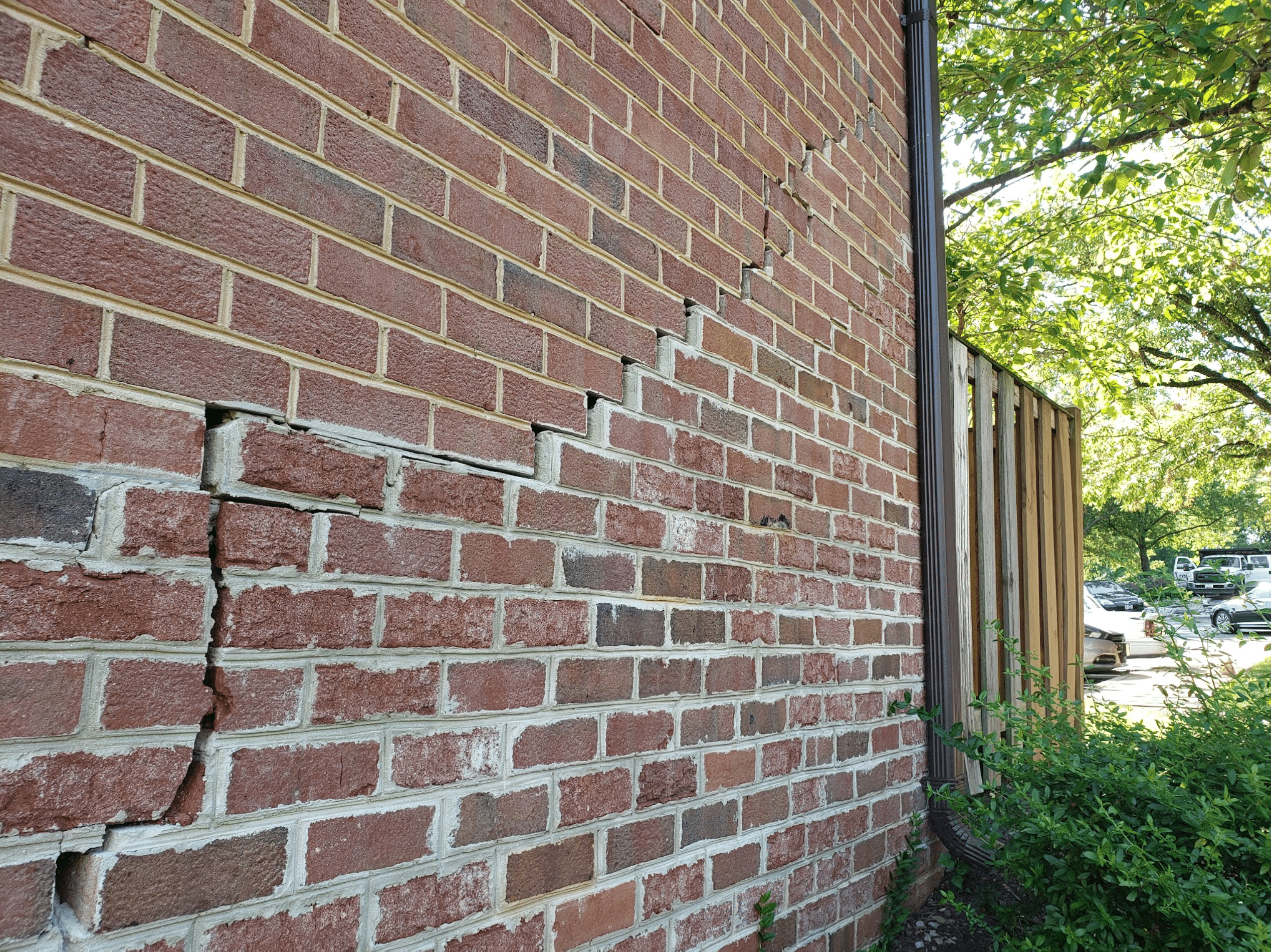
We’ve inspected homes where buyers were ready to walk away because of a single foundation crack, only to determine that the crack was stable and required little more than monitoring. We’ve also evaluated homes that appeared relatively normal on the surface but showed signs of ongoing settlement that needed to be addressed.
That’s why it’s important to understand the condition of the foundation rather than making a decision based on a single item in the inspection report.
Understand What the Home Inspector Is Telling You
Home inspectors play an important role in the buying process, but it’s important to understand the scope of their inspection. When an inspection report notes foundation cracks, uneven floors, or recommends further evaluation by a structural engineer or foundation specialist, it doesn’t necessarily mean the home has a major structural problem. In many cases, the inspector is simply identifying something that deserves a closer look.
We’ve worked with many buyers who assumed an inspection report was diagnosing the problem when, in reality, it was recommending additional evaluation before any conclusions were made.
Look Beyond the Crack
One of the biggest mistakes buyers make is focusing on a single crack without considering the overall condition of the home. During our evaluations, we’re looking at how the entire structure is performing. We evaluate foundation walls, floor elevations, drainage around the property, signs of settlement, wall movement, moisture conditions, and how the home is transferring structural loads to the foundation.
A crack is simply one symptom. Understanding why it developed is what determines whether it’s a cosmetic issue, the result of historic settlement, or evidence of ongoing structural movement.
Ask Whether the Movement Is Still Active
One of the most valuable questions you can ask is whether the foundation is still moving. Many homes experience some settlement during their lifetime, particularly older homes throughout Northern Virginia. That doesn’t necessarily mean they’re continuing to settle today.
An evaluation should focus on identifying whether the movement has stabilized or whether conditions such as poor drainage, expansive soils, or inadequate support are continuing to affect the foundation. The answer to that question often has a much greater impact on your buying decision than the crack itself.
Consider the Cause, Not Just the Repair
Not every foundation repair involves underpinning or major structural work. In some cases, improving drainage around the home may be enough to reduce the conditions contributing to foundation movement. Other homes may benefit from crack repair, wall stabilization, crawl space improvements, or simply monitoring the structure over time.
One thing we’ve learned after evaluating homes across Northern Virginia is that the best repair is the one that addresses the underlying cause of the problem. Treating the visible symptom without understanding why it occurred rarely provides a long-term solution.
Factor Repairs Into the Purchase
If a foundation repair is needed, it doesn’t automatically mean you should walk away from the home. Many buyers successfully negotiate repairs, request seller concessions, or adjust the purchase price to account for the work that’s needed. In fact, some buyers are more comfortable purchasing a home after the problem has been properly evaluated because they understand exactly what they’re dealing with.
The key is making an informed decision based on professional guidance rather than uncertainty.
Older Homes Often Come With Some Foundation Movement
Northern Virginia has many beautiful older homes, and it’s common for them to show signs of minor settlement after decades of seasonal soil movement. We’ve inspected homes that are 50, 75, or even 100 years old where small cracks and slight floor variations have remained stable for many years. Those characteristics don’t necessarily indicate that the home is unsafe or that expensive repairs are inevitable.
Older homes should be evaluated based on how they’re performing today, not simply by comparing them to modern construction.
A Professional Evaluation Can Provide Peace of Mind
One of the biggest benefits of having a foundation professionally evaluated during the buying process is gaining clarity. Instead of wondering whether a crack is serious or whether the home will require major repairs in the future, you’ll have a better understanding of the condition of the structure, what’s causing any movement, and whether repairs are recommended now or simply monitored over time.
That information allows buyers to make confident decisions based on facts rather than assumptions.
Contact Us for Foundation Repair in Alexandria
If you’re buying a home and have concerns about foundation cracks, settlement, uneven floors, or other structural issues, our team can help.
Our experienced team provides professional foundation evaluations throughout Northern Virginia, helping homebuyers understand the true condition of a home’s foundation before they close. We’ll identify what’s causing the problem, determine whether movement is active, and provide honest recommendations so you can move forward with confidence. Contact us today to schedule a foundation inspection.