Bowed Basement Wall Repair in Northern Virginia
Bowing, cracked, or leaning basement walls can signal that soil and water pressure are affecting your foundation. DESKA provides professional bowed wall repair throughout Alexandria and Northern Virginia using solutions selected for your wall’s construction, movement, and structural needs. Contact us today or schedule an inspection to learn which repair option is right for your property.
Signs Your Basement Wall May Be Bowing
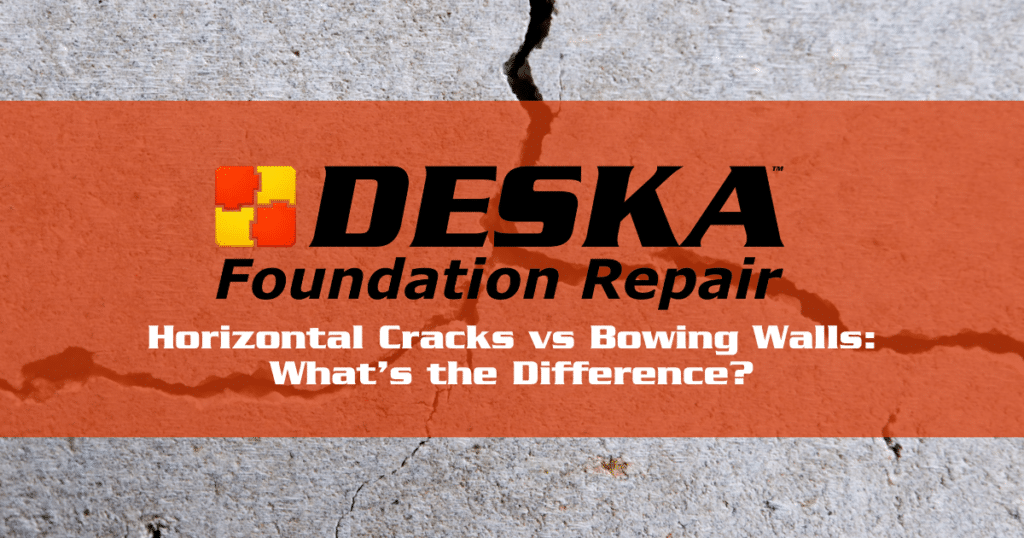
A bowed wall does not always appear dramatically curved. In many homes, the first warning signs are cracks, small areas of inward movement, or separation where the foundation connects to the framing above it. Understanding the difference between horizontal cracks and bowing walls can help you recognize when a visible crack may be connected to a larger structural problem.
Contact DESKA for an evaluation if you notice:
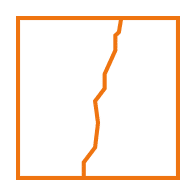
- Horizontal cracks across a basement or foundation wall
- Stair-step cracks along concrete block mortar joints
- A visible inward curve or bulge near the center of the wall
- A wall leaning inward near the top
- Gaps between the foundation wall and floor framing
- Cracks that reopen after being patched
- Water entering through horizontal or stair-step cracks
- Shifting windows, doors, joists, or interior framing near the wall
- Previous repairs that no longer appear stable
A horizontal crack is especially important to investigate because it often develops where outside pressure is forcing the wall inward.
What Causes Basement Walls to Bow?
Foundation walls are designed to support a building while resisting pressure from the surrounding soil. When that pressure becomes stronger than the wall can safely withstand, the wall may crack, rotate, lean, or bow inward. Homeowners who want a broader overview can learn more about what causes bowed walls and how DESKA repairs them.
Expansive Soil
Clay-rich soil can absorb large amounts of moisture and expand. As the soil swells, it presses against the exterior of the foundation. Repeated wet and dry cycles can gradually increase stress on the wall.
These conditions are especially relevant locally. Our guide to Northern Virginia soil problems explains how clay-heavy soil, slow drainage, and seasonal moisture changes can affect foundations throughout the region.
Hydrostatic Pressure
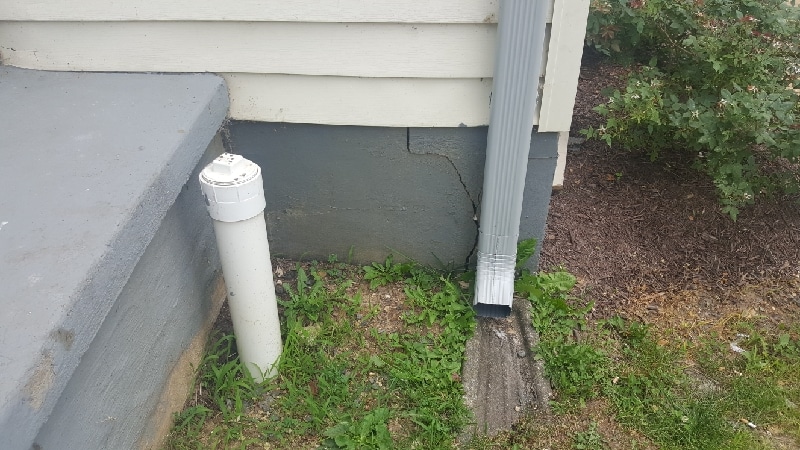
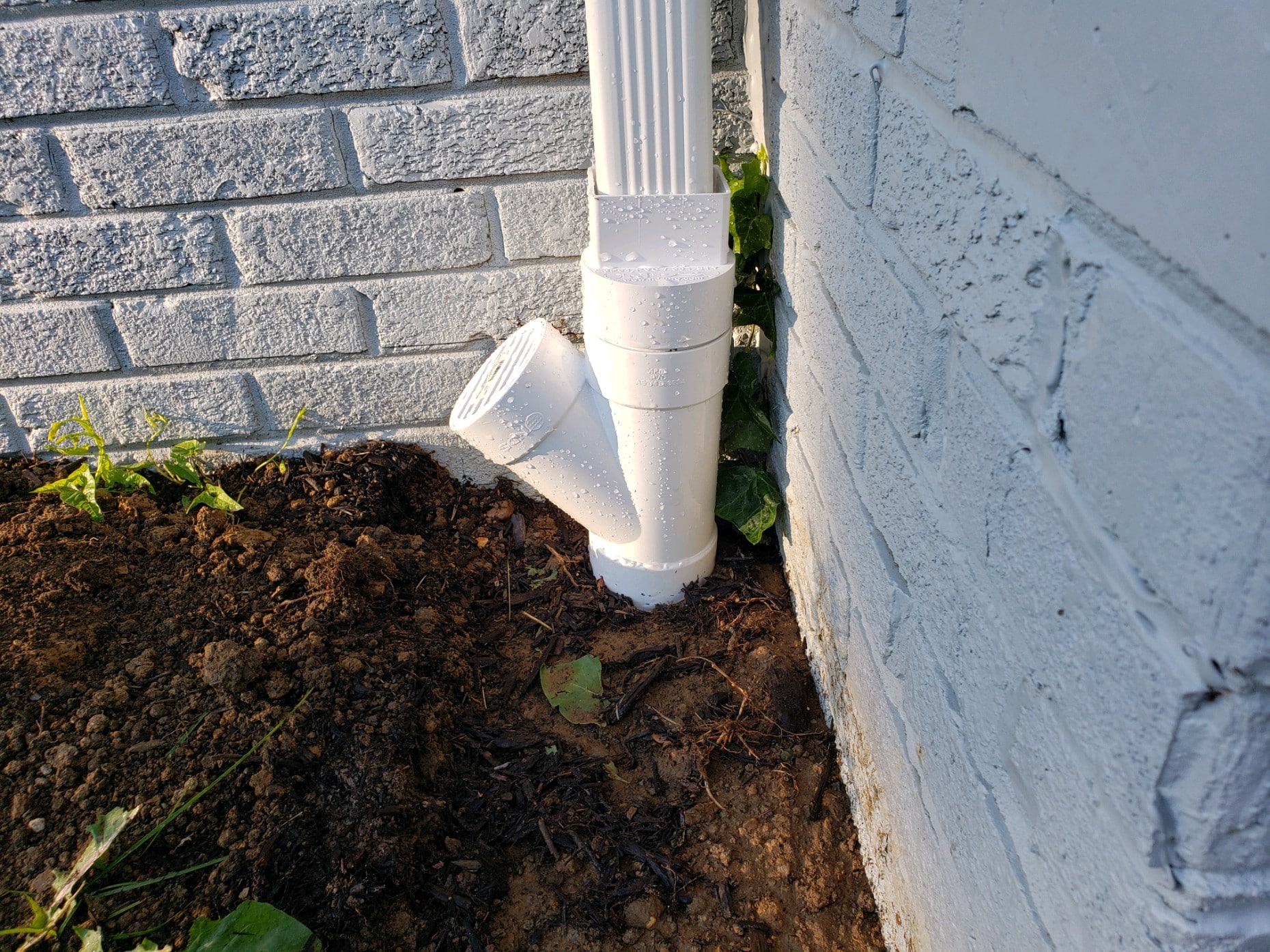
Water that collects in the soil around a foundation creates hydrostatic pressure. Poor grading, clogged gutters, short downspouts, and inadequate drainage can allow water to remain next to the wall and increase the force acting against it.
Learn more about hydrostatic pressure and foundation walls, including how trapped groundwater can contribute to horizontal cracking, bulging blocks, and inward wall movement.
Freeze-Thaw Cycles
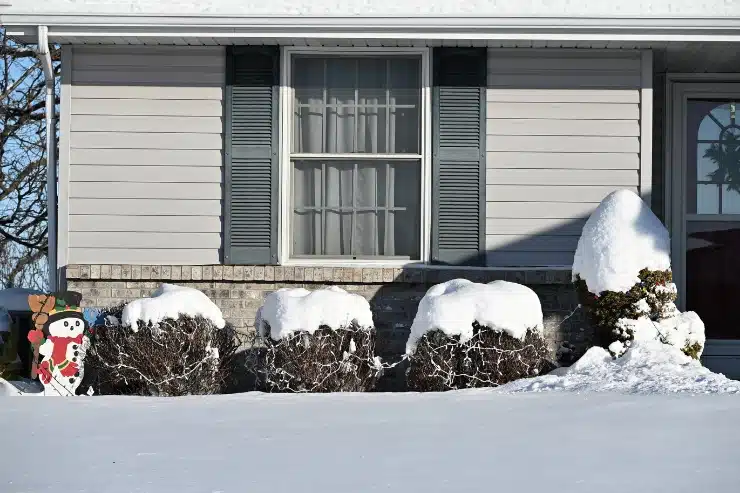
Moist soil expands when it freezes. Repeated freezing and thawing can place seasonal pressure on foundation walls, especially when drainage around the building is poor.
Heavy Loads Near the Foundation
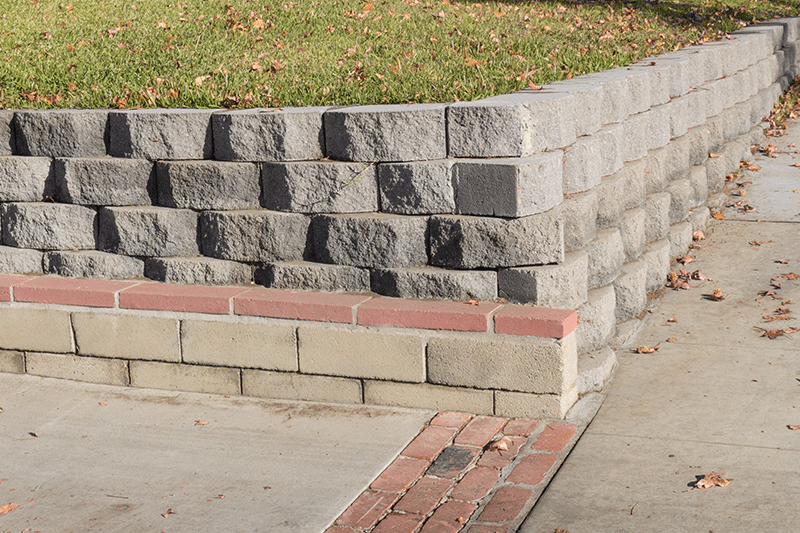
Driveways, patios, vehicles, retaining walls, landscaping features, and other heavy loads can increase soil pressure near the foundation.
Weak or Damaged Foundation Materials
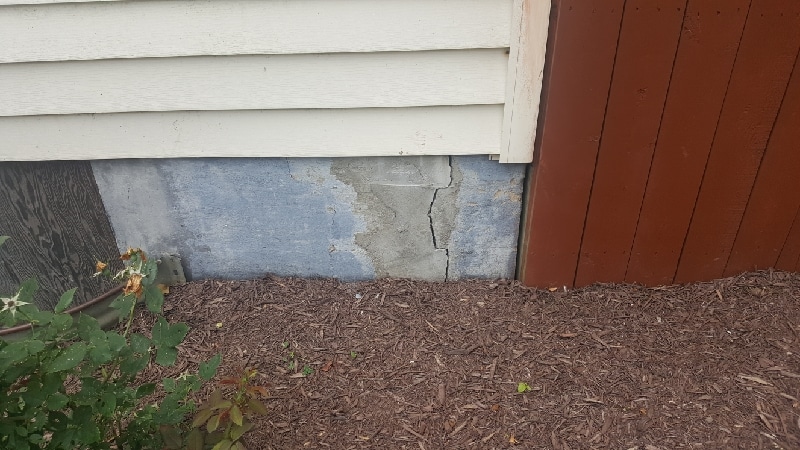
Existing cracks, deteriorated mortar joints, hollow concrete blocks, corrosion, and previous structural movement may reduce the wall’s ability to resist outside pressure.
How Serious Is a Bowed Basement Wall?
The seriousness of a bowed wall depends on the amount of movement, the wall material, the location and pattern of the cracks, and whether the movement is continuing.
Some walls can be stabilized with a low-profile reinforcement system. Other walls may require stronger structural support, exterior excavation, or a repair designed to help move the wall closer to its original position.
A wall should be evaluated promptly when:
- Horizontal cracks are growing wider
- The wall is visibly leaning or bulging
- Concrete blocks are shifting out of alignment
- The wall is separating from the structure above
- Water is entering through the damaged area
- Previous patches or repairs have failed
- The amount of inward movement appears to be increasing
Not every bowed wall is in immediate danger of collapse, but delaying an inspection can allow the problem to become more difficult to repair.
How DESKA Evaluates Bowed Foundation Walls
DESKA does not recommend a repair system based only on the appearance of a single crack. We evaluate the complete condition of the foundation and the forces affecting it.
Our bowed wall evaluation may include:
- Measuring the amount and location of inward movement
- Identifying whether the wall is poured concrete, concrete block, brick, or another material
- Examining horizontal, vertical, and stair-step cracking
- Checking for wall rotation or separation near the top
- Reviewing exterior grading and drainage conditions
- Inspecting gutters, downspouts, patios, and nearby hardscaping
- Looking for water intrusion or previous repair attempts
- Determining whether the wall needs stabilization, reinforcement, or corrective movement
- Identifying whether structural design or engineering input is appropriate
For more details about this process, read what a structural engineer looks for during a foundation inspection.
This evaluation allows us to recommend a repair based on the actual condition of the building rather than applying the same system to every wall.
Bowed Wall Repair Solutions
DESKA offers multiple bowed wall repair methods because no single system is right for every foundation.
Carbon Fiber Straps
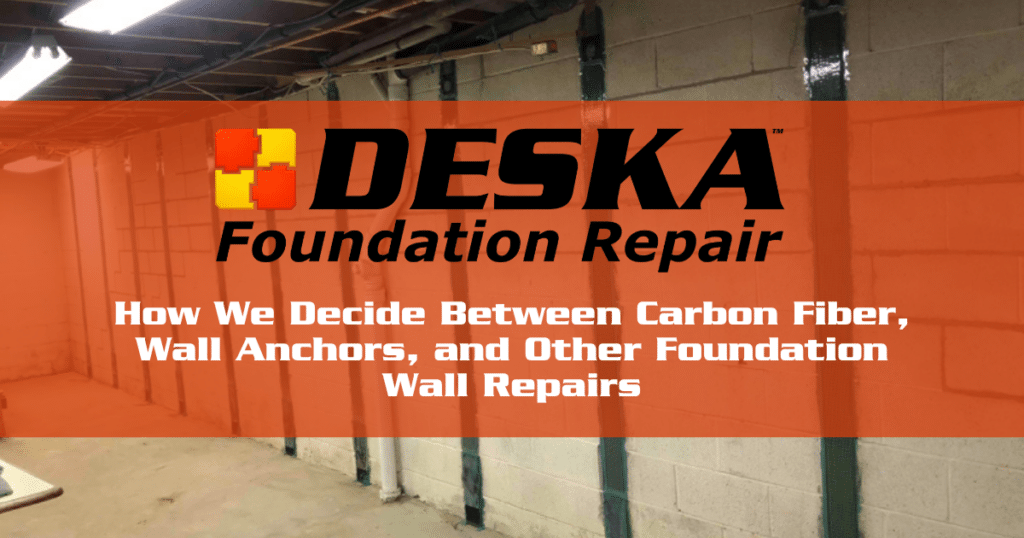
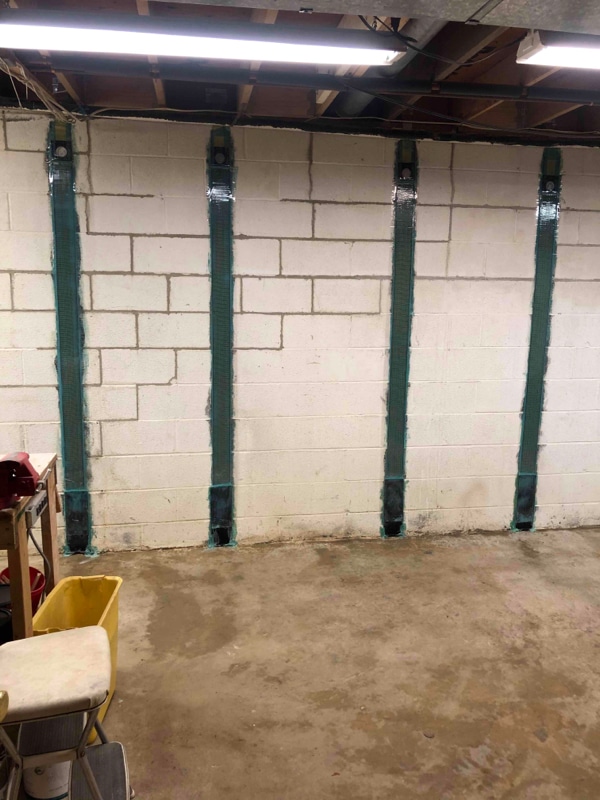
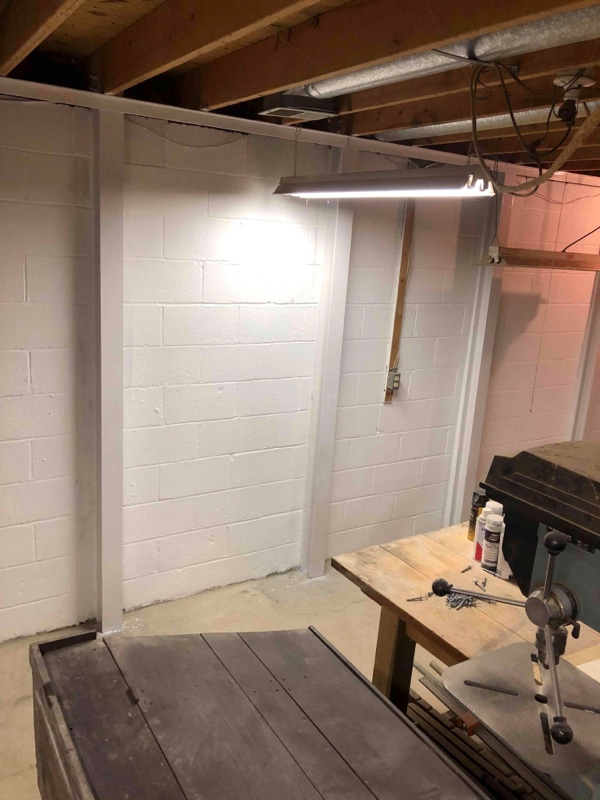
Carbon fiber straps are strong, low-profile reinforcements bonded directly to the interior surface of a foundation wall. They are commonly used to stabilize walls with limited inward movement and prevent further bowing.
Carbon fiber may be appropriate when:
- The wall has mild to moderate movement
- The wall primarily requires stabilization
- Horizontal cracking has developed
- Exterior excavation is not desirable
- A low-profile interior repair is preferred
Once installed, carbon fiber straps take up very little space and can often be covered with a finished wall system.
DESKA installs Fortress carbon fiber systems and has received factory-direct training for their proper application. Product and warranty eligibility depends on the selected system and installation conditions.
Wall Anchors
Wall anchors connect the damaged foundation wall to stable soil farther away from the home. Interior wall plates are connected to exterior anchors with steel rods, creating a system that resists continued inward movement.
Depending on the wall condition and access outside the building, wall anchors may also provide an opportunity for gradual correction.
Wall anchors may be recommended when:
- The wall has more significant inward movement
- Stable soil is available outside the foundation
- Exterior access is possible
- The repair plan includes stabilization with potential adjustment
- Carbon fiber alone would not provide the required support
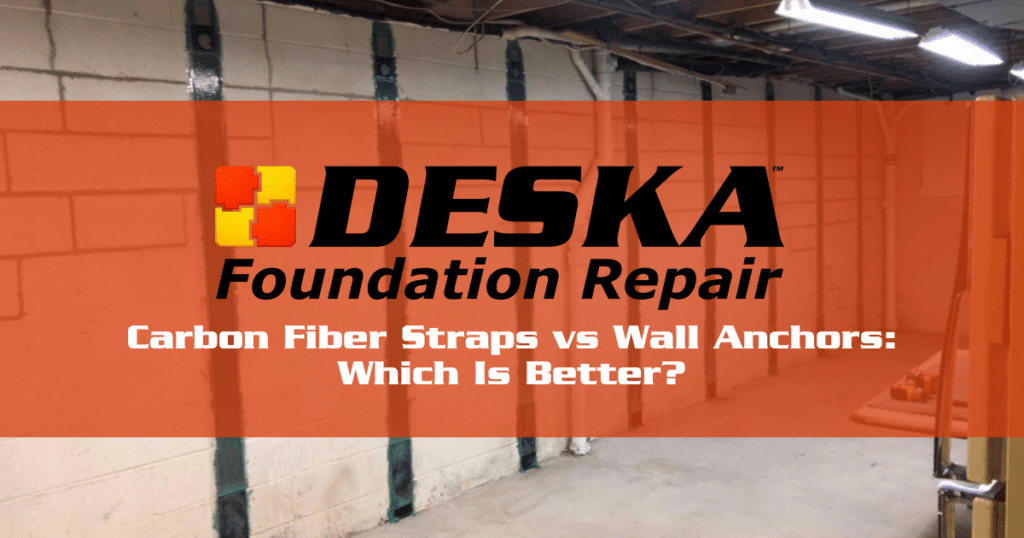
Because these systems serve different conditions, our guide comparing carbon fiber straps and wall anchors explains the factors that may make one system more appropriate than the other.
The amount of excavation and exterior access required varies by property.
Steel Beam Supports
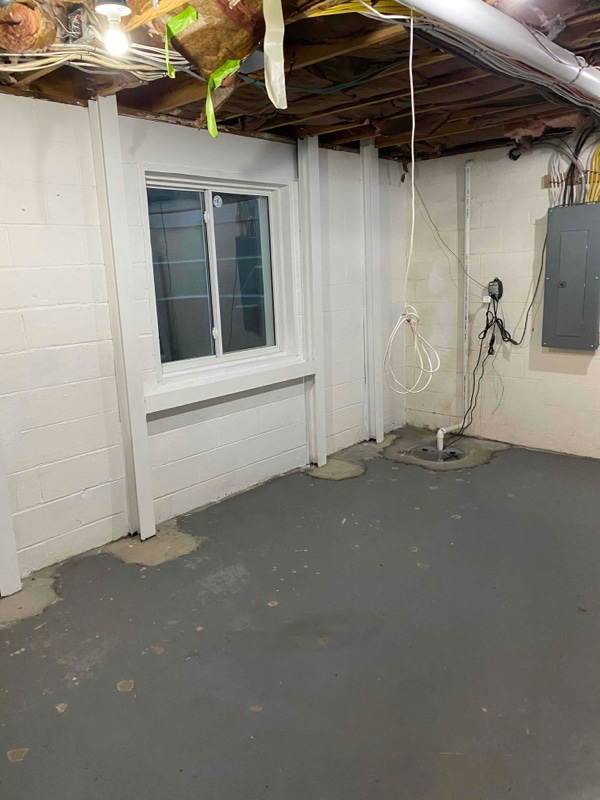
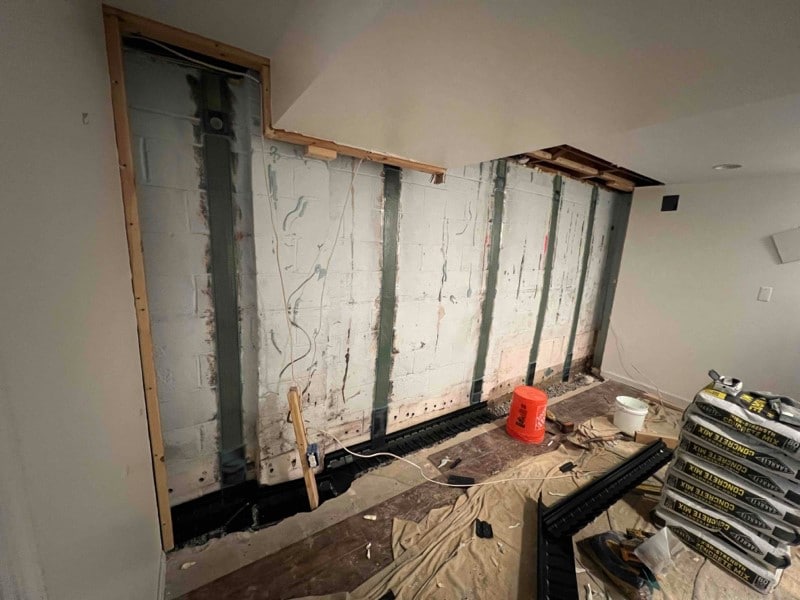
Steel beam supports are installed vertically along the interior of a foundation wall to provide strong structural reinforcement. The beams are secured at the floor and connected to the framing above to help resist further inward movement.
Steel supports may be considered when:
- The wall needs substantial interior bracing
- The foundation configuration does not allow another system
- Exterior access is limited
- The wall requires load distribution across several points
- The repair is part of an engineered structural plan
Steel beams are highly visible and require more interior space than carbon fiber straps, but they can provide dependable reinforcement in the right application.
Shear Pin Reinforcement
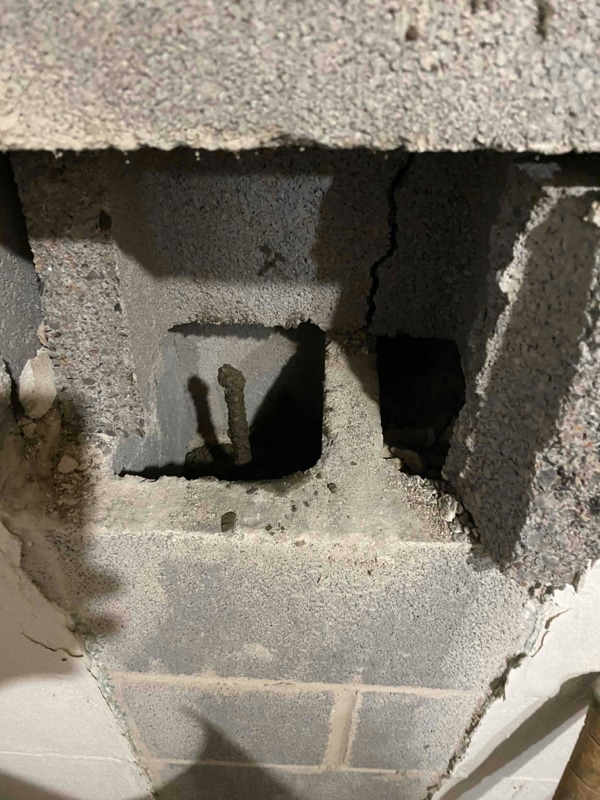
Shear pin reinforcement is designed for certain hollow concrete masonry unit walls. Steel reinforcement is inserted into the block cavities and secured with structural grout or another specified material.
This method may be appropriate when:
- The foundation consists of hollow concrete blocks
- The wall requires internal reinforcement
- Additional stiffness is needed within the block wall
- A low-profile repair is preferred
- The wall configuration supports this installation method
The condition of the block, mortar joints, footing, and wall cavities must be evaluated before this system is recommended.
Comparing Bowed Wall Repair Methods
| Repair Method | Common Application | Primary Benefit | Exterior Access |
|---|---|---|---|
| Carbon fiber straps | Limited inward movement and horizontal cracking | Low-profile wall stabilization | Usually not required |
| Wall anchors | Moderate or advanced bowing with suitable exterior soil | Stabilization with possible adjustment | Usually required |
| Steel beam supports | Walls needing substantial interior bracing | Strong load resistance and reinforcement | Usually not required |
| Shear pin reinforcement | Certain hollow concrete block walls | Reinforces the wall from within the block cavities | Usually not required |
The right solution cannot be selected by crack type alone. Wall material, movement, exterior conditions, drainage, framing, and repair goals all affect the recommendation.
Stabilization Versus Straightening
Homeowners often ask whether a bowed wall can be returned to its original position. The answer depends on the amount of movement, the wall construction, access around the foundation, and the risk of damaging the wall during adjustment.
Stabilization
Stabilization is intended to prevent additional inward movement. Carbon fiber straps, steel supports, shear pins, and wall anchors may all be used for stabilization in different circumstances.
Straightening or Corrective Movement
Some wall anchor systems may allow gradual adjustment. More extensive corrective work may require excavation outside the foundation to relieve soil pressure before the wall can be moved.
Attempting to force a damaged wall back into position without addressing outside pressure can create additional cracking or structural damage. DESKA evaluates whether correction is practical and safe before recommending it.
Repairing Concrete Block and Poured Concrete Walls
Foundation material affects how a wall cracks and which repair systems can be used.
Concrete Block Walls
Concrete block walls often crack along mortar joints. Horizontal cracks may develop near the middle of the wall, while stair-step cracks can appear near corners or openings. Individual blocks may also shift out of alignment.
Repair options may include:
- Carbon fiber reinforcement
- Wall anchors
- Steel beam supports
- Shear pin reinforcement
- Mortar or block repairs as part of a larger structural solution
Poured Concrete Walls
Poured concrete walls may develop horizontal, vertical, or diagonal cracks. The wall may bend inward without the clearly defined mortar-joint displacement seen in a block wall.
Repair options may include:
- Carbon fiber straps
- Wall anchors
- Steel reinforcement
- Crack repair after structural movement has been addressed
Injecting or sealing a crack does not correct the cause of a bowing wall. Structural movement must be evaluated before cosmetic crack repair is performed.
For more details about this process, read what a structural engineer looks for during a foundation inspection.
This evaluation allows us to recommend a repair based on the actual condition of the building rather than applying the same system to every wall.
Why Drainage Problems Must Also Be Addressed
A structural repair can stabilize the wall, but it may not eliminate the outside conditions that caused the movement.
If water is collecting beside the foundation, DESKA may also recommend improvements such as:
- Extending downspouts away from the building
- Correcting negative grading
- Improving yard drainage
- Repairing foundation drainage systems
- Sealing exterior foundation surfaces
- Addressing basement water intrusion
- Redirecting roof runoff
- Correcting patios or hardscaping that drain toward the home
Our article explaining why foundation repairs often include drainage improvements provides additional context on how controlling water and soil conditions can help protect a completed structural repair.
Managing water around the foundation helps reduce future soil pressure and protects the repaired wall.
Our Bowed Wall Repair Process
Foundation Inspection
We examine the wall, crack patterns, amount of movement, wall material, and surrounding conditions.
Structural and Drainage Evaluation
We determine whether the movement is related to soil pressure, drainage, wall construction, structural loads, or a combination of factors.
Repair Recommendation
DESKA explains the available repair options, why a specific method is being recommended, and whether the goal is stabilization or possible corrective movement.
Installation
Our team installs the selected system according to the repair plan and applicable manufacturer or engineering requirements.
Final Review
We review the completed work, explain any maintenance or drainage recommendations, and provide available product or workmanship documentation.
Why Choose DESKA for Bowed Wall Repair?
Foundation wall repair requires more than covering a crack or installing the same product on every property. The repair must account for the wall material, structural movement, soil conditions, drainage, and the way the foundation supports the building above it.
Property owners choose DESKA because we provide:
- Multiple repair options for different wall conditions
- Structural evaluation and design-repair experience
- Repair recommendations based on measured movement
- Solutions for block and poured concrete foundations
- Carbon fiber, wall anchor, steel support, and shear pin systems
- Factory-direct Fortress carbon fiber training
- Local experience throughout Alexandria and Northern Virginia
- Coordination between structural and water-management needs
- Clear explanations before work begins
- Warranty-backed products when applicable
Bowed Wall Repair Projects in Northern Virginia
Real foundation problems vary from one property to another. A wall may have mild horizontal cracking, several inches of inward movement, weakened block joints, active water intrusion, or a combination of conditions.
Project examples on this page should identify:
- The project location
- The foundation material
- The visible symptoms
- The measured movement
- The source of the pressure
- The selected repair system
- Why the system was chosen
- The completed result
Adding this information to project photographs helps homeowners understand how different bowed wall problems are evaluated and repaired.
Frequently Asked Questions About Bowed Wall Repair
Can a bowed basement wall be repaired?
Yes. Many bowed basement walls can be stabilized with carbon fiber straps, wall anchors, steel beams, shear pin reinforcement, or another structural system. The right method depends on the wall material, amount of movement, exterior access, and overall foundation condition.
What causes a horizontal crack in a basement wall?
Horizontal cracks often form when soil or water pressure pushes the foundation wall inward. They are especially common in concrete block walls, where the crack may follow a mortar joint. A horizontal crack should be evaluated because sealing the crack alone does not stop the wall from moving.
How can I tell whether my basement wall is bowing?
Look for an inward curve, horizontal cracks, stair-step cracking, shifted blocks, or separation near the top of the wall. A long level or straight edge may reveal a gap between the tool and the wall. A professional evaluation is the safest way to measure the movement accurately.
Are carbon fiber straps better than wall anchors?
Neither system is universally better. Carbon fiber straps are often used for walls with limited movement that primarily need stabilization. Wall anchors may be more appropriate for walls with greater movement or when the repair plan includes the possibility of gradual adjustment.
Can a bowed wall be straightened?
Some bowed walls can be partially or substantially corrected, but not every wall should be forced back into position. Straightening may require exterior excavation to relieve soil pressure, and the wall must be strong enough to tolerate the process. DESKA evaluates whether stabilization or corrective movement is the safer approach.
Does bowed wall repair require excavation?
Carbon fiber straps, steel beams, and shear pin reinforcement are usually installed from inside the basement. Wall anchors normally require exterior access. More extensive wall straightening may also require excavation outside the foundation.
Will repairing the crack stop the wall from bowing?
No. Crack injection, patching, or mortar repair may seal an opening, but it does not reinforce a wall that is moving inward. The structural cause of the crack must be addressed before cosmetic repairs can provide a lasting result.
Do drainage problems need to be fixed too?
In many cases, yes. Poor grading, short downspouts, clogged gutters, and saturated soil can increase pressure against the wall. Correcting drainage helps reduce the conditions that contributed to the damage and protects the structural repair.
Can DESKA repair both block and poured concrete walls?
Yes. DESKA evaluates and repairs both concrete block and poured concrete foundation walls. The selected repair method depends on the wall construction, crack pattern, amount of movement, and structural condition.
How long does bowed wall repair take?
The timeline depends on the selected system, number of reinforcement points, access, excavation needs, and whether drainage improvements are included. Many interior stabilization systems can be installed without the extensive disruption associated with rebuilding the entire wall.
Schedule a Bowed Wall Inspection
A cracked or bowing basement wall should not be ignored. An early evaluation can help determine whether the wall needs monitoring, reinforcement, stabilization, drainage correction, or a more extensive structural repair.
DESKA serves homeowners and property owners throughout Alexandria and Northern Virginia. Our team will inspect the wall, explain the source of the movement, and recommend a repair system based on the condition of your foundation.