Leaning Chimney Repair in Northern Virginia, DC & Maryland

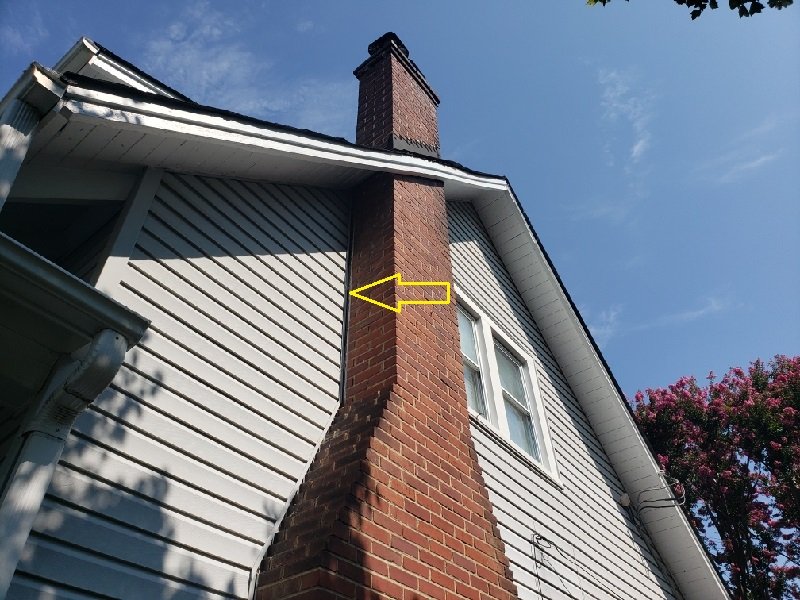
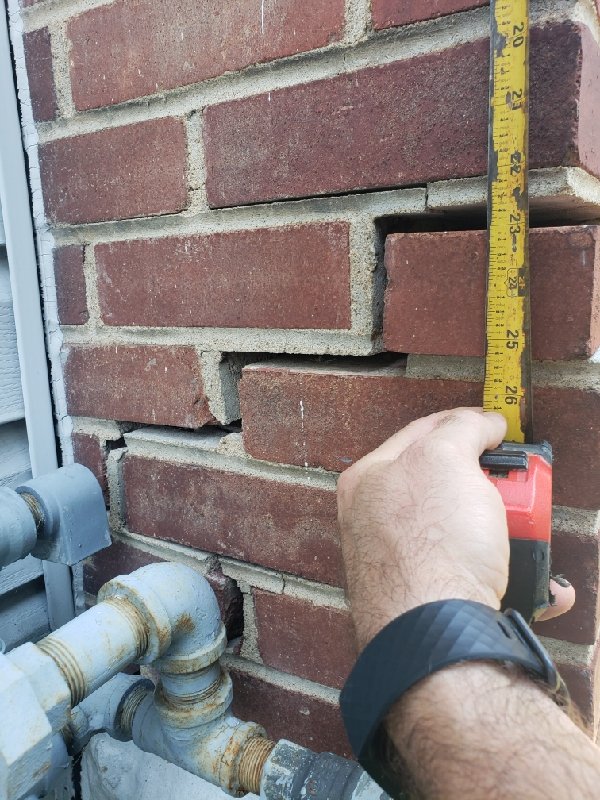
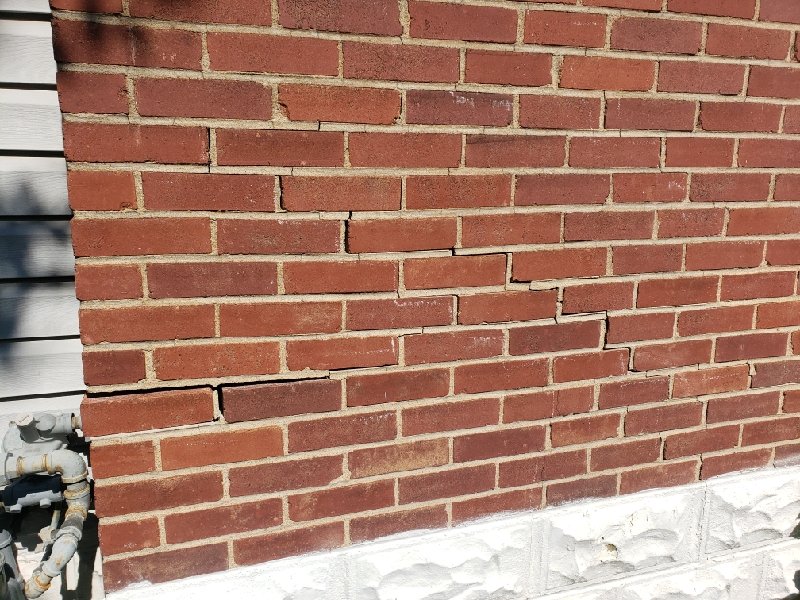
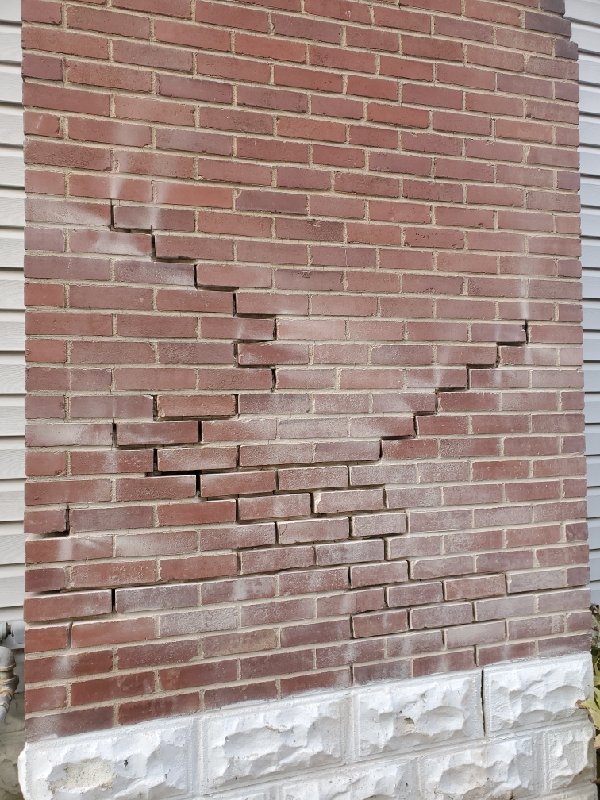
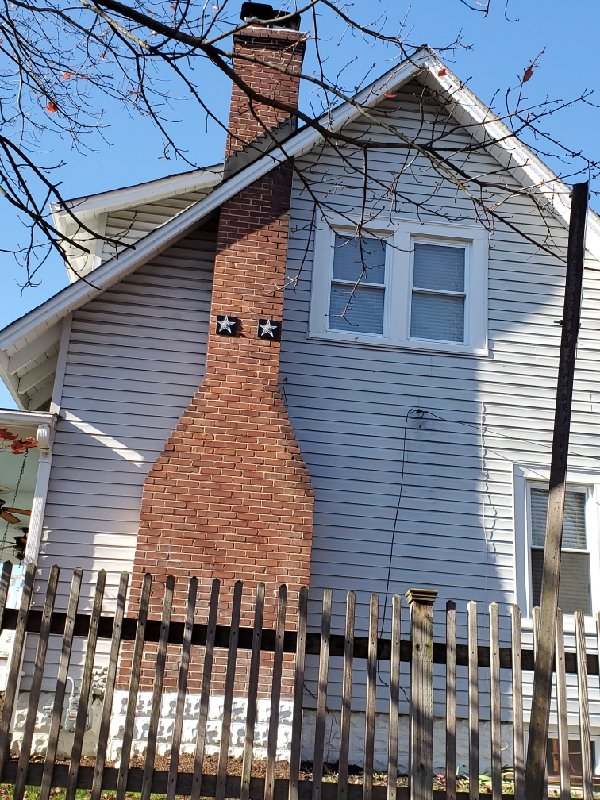
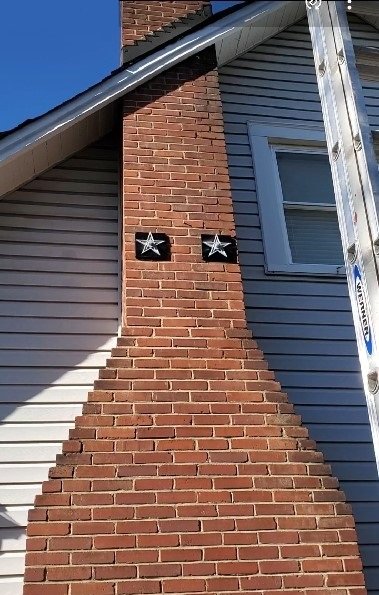
A chimney pulling away from your house can be a sign that the support beneath it has moved. You may notice a growing gap between the chimney and exterior wall, stair-step cracks in the brick, cracked mortar joints, or separation near the roofline. Before repairing those visible signs, it is important to find out why the chimney moved in the first place.

DESKA Foundation Repair evaluates leaning and settling chimneys throughout Northern Virginia, Washington, DC, and Maryland. Our team looks at the structural conditions contributing to the movement and determines whether the chimney foundation needs to be stabilized.

If your chimney appears to be leaning, sinking, or separating from your home, schedule an evaluation with our team.

Is Your Chimney Pulling Away From Your House?

A chimney does not have to look dramatically tilted for settlement to be occurring. In many cases, homeowners first notice a small gap or crack where the chimney meets the house. That opening may slowly increase as movement continues.

Common signs of a settling or leaning chimney include:

  • A visible gap between the chimney and house
  • A chimney that appears to lean outward
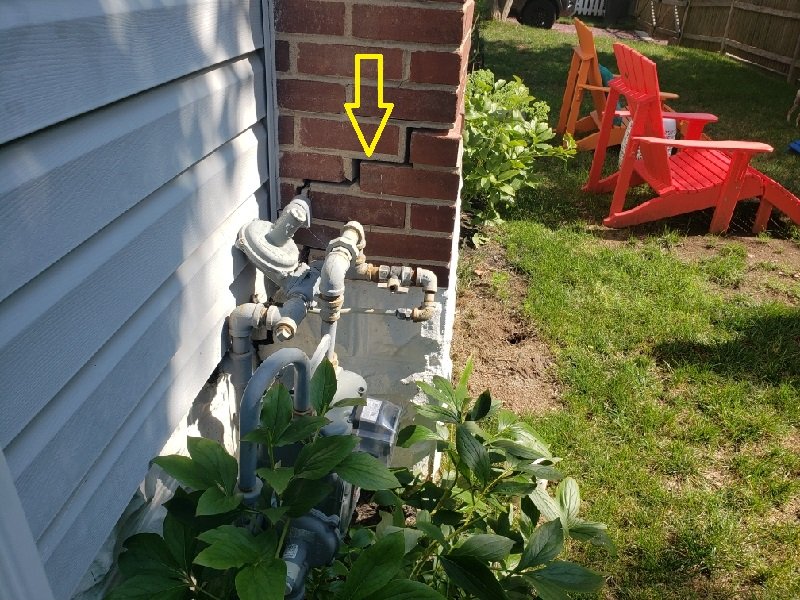
  • Stair-step cracks through brick or mortar joints
  • Cracks where the chimney meets the exterior wall
  • Separation near siding, trim, flashing, or the roofline
  • Cracks that reopen after being patched
  • Visible movement near the base of the chimney
  • A chimney that appears out of alignment with the house

These symptoms can indicate structural movement, but they do not tell you the exact cause. Masonry deterioration, footing problems, soil movement, and other conditions can produce similar warning signs.

A structural evaluation helps determine what is actually moving and what type of repair, if any, is needed.

Why Do Chimneys Lean or Settle?

Exterior masonry chimneys are heavy structures that depend on the support beneath them. If the chimney footing or supporting soil moves differently from the rest of the house, the chimney can begin to tilt or separate.

The cause is not the same at every property. Several conditions may contribute to chimney settlement.

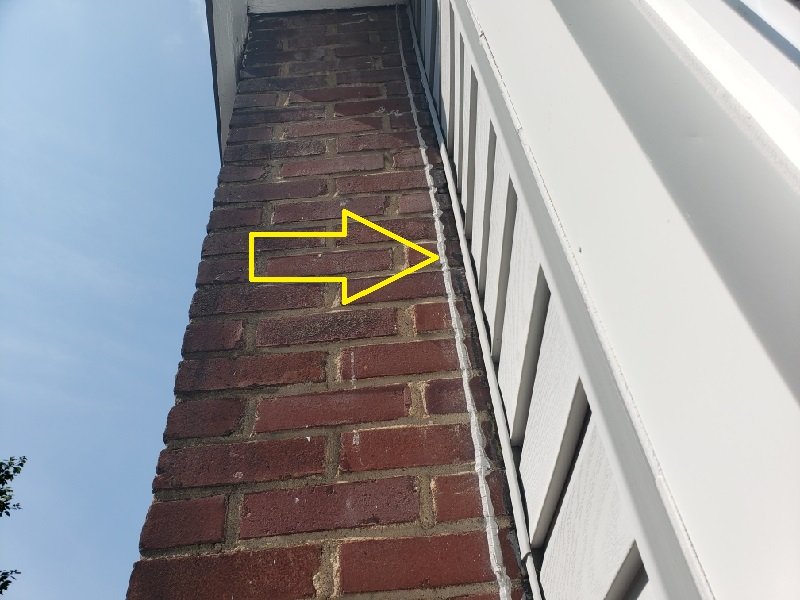
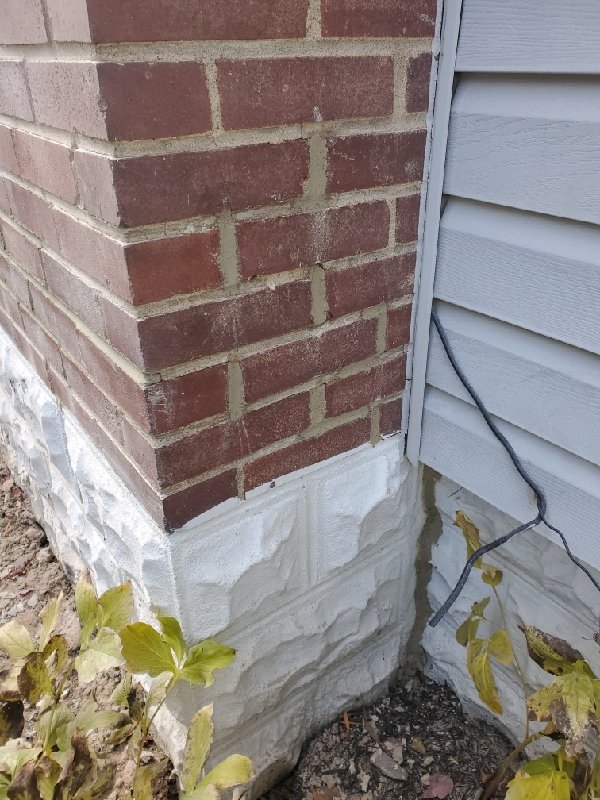
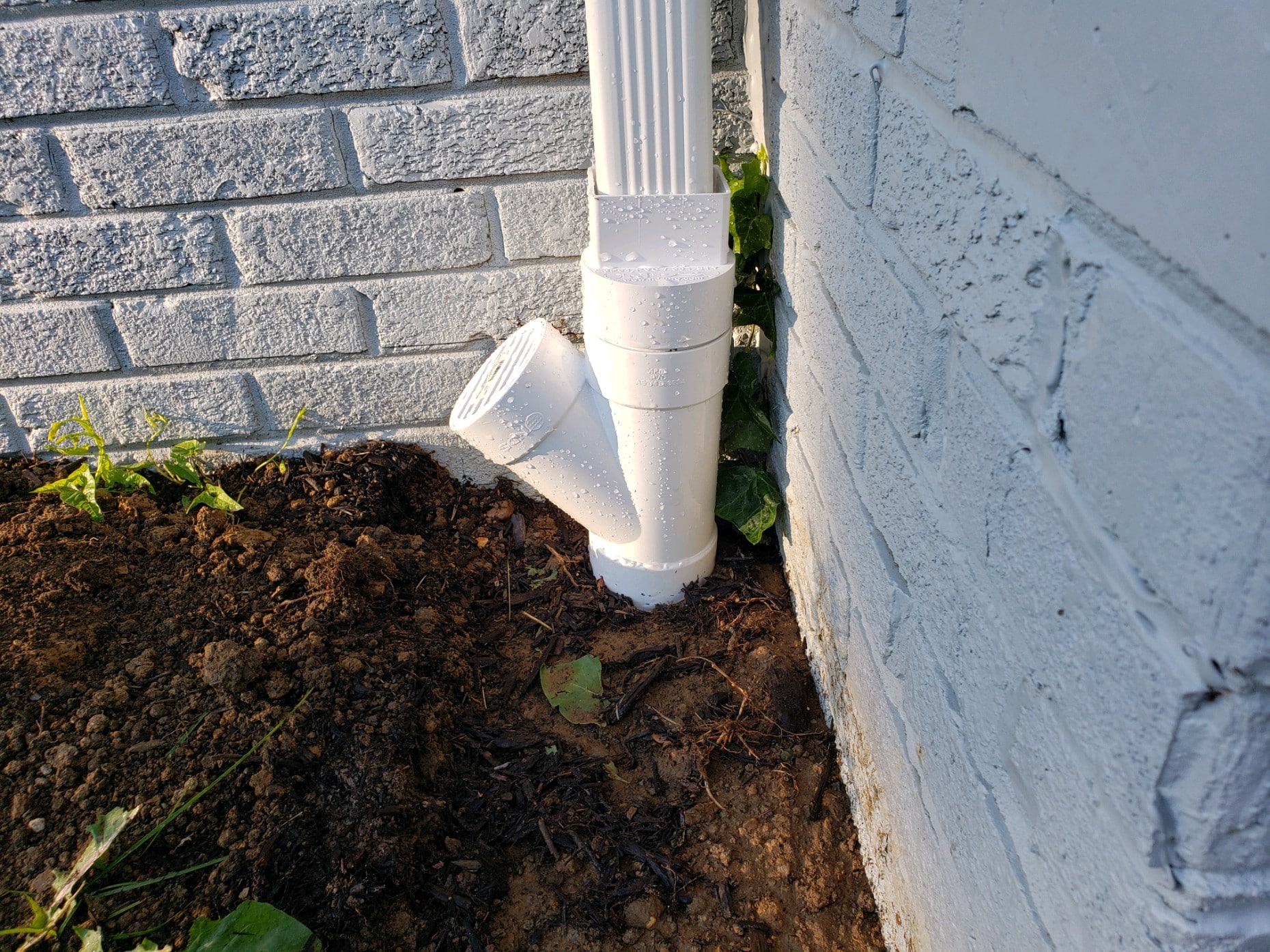
The joint sealed between the chimney and foundation

Settlement Beneath the Chimney Footing

The chimney footing transfers the weight of the chimney into the ground below it. If the supporting material settles or can no longer provide adequate support, the footing may move with it.

Even relatively small movement can become visible higher up the chimney. A slight change near the footing can create noticeable separation where the chimney meets the house or roof.
Soil and Moisture Conditions

Changes in the soil beneath a chimney can affect how well the structure is supported. Moisture changes, disturbed soil, poorly compacted fill, erosion, and other site conditions may contribute to settlement.

Soils vary throughout Northern Virginia, DC, and Maryland. Conditions also vary from one property to another, which is why the cause of settlement should be evaluated at the home rather than assumed based only on location.
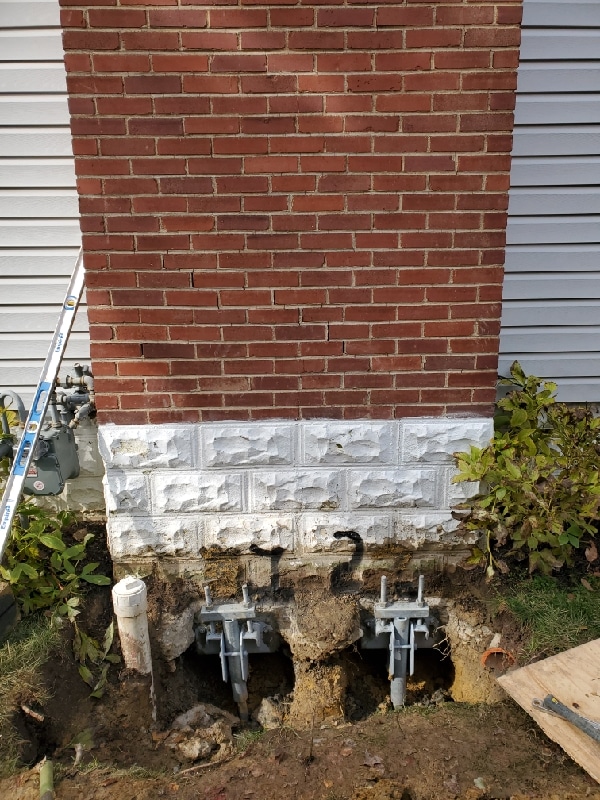
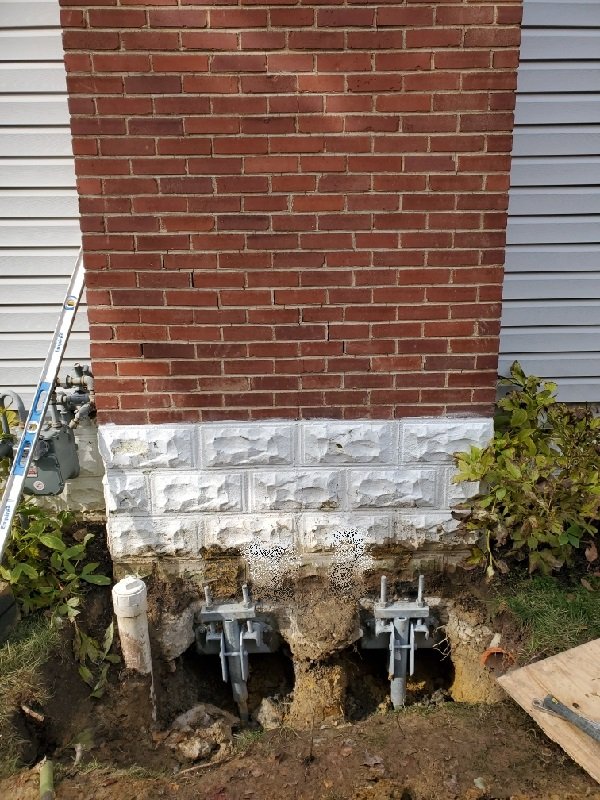
Leaning Chimney Repair Using Push Piers

Footing or Support Problems

A chimney may also have support conditions that are different from the adjacent house foundation. The footing may be undersized, deteriorated, poorly supported, or affected by previous construction conditions.

Determining whether the footing itself is part of the problem requires more than looking at the crack between the chimney and the wall.
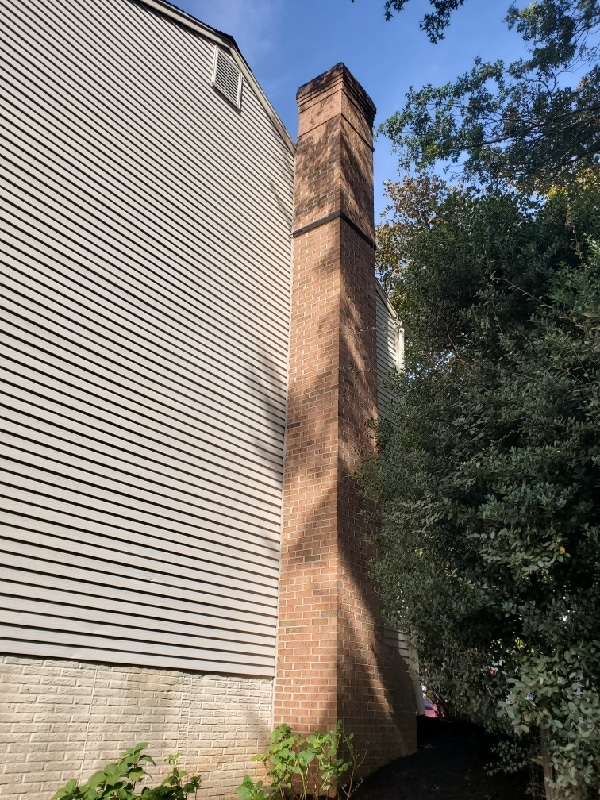
Leaning Chimney

Drainage and Loss of Soil Support

Water moving toward or around a foundation can sometimes affect the supporting soils. Poor drainage, erosion, or changing moisture conditions may contribute to movement at some homes.

Improving drainage alone does not automatically correct existing structural settlement. The underlying cause and extent of movement need to be evaluated before deciding what work is appropriate.

Is It a Masonry Problem or a Foundation Problem?

Not every chimney crack means the foundation beneath the chimney is settling. Brick and mortar can deteriorate from age, moisture exposure, weather, and other conditions even when the chimney foundation remains stable.

The important question is whether the chimney itself is moving.

A masonry contractor may be the appropriate professional when the main issue involves deteriorated mortar, damaged brick, a chimney crown, flashing, or another nonstructural masonry condition. Structural foundation repair becomes more relevant when the chimney is tilting, sinking, or separating because its support has moved.

In some cases, both types of work may be needed. Stabilizing a settling chimney does not automatically repair damaged brick or mortar, and repairing masonry does not stabilize a footing that is still moving.

We evaluate the structural side of the problem so homeowners can understand whether settlement is contributing to what they see.

Why Patching the Gap May Not Fix the Problem

A common response to chimney separation is to fill the opening with mortar, caulk, sealant, or another material. That may cover the visible gap, but it does not provide new support beneath a settling chimney.

If movement continues, the repaired area may crack or separate again.

This does not mean caulk or masonry repairs never have a place in a chimney project. Sealing and masonry restoration may be appropriate after the underlying structural condition has been addressed. The key is to avoid treating a symptom as though it were the cause.

If a gap between the chimney and house keeps returning or appears to be getting larger, the movement should be evaluated.

How DESKA Evaluates a Leaning Chimney

The goal of an evaluation is to determine why the chimney moved before recommending a repair.

Our team looks at the visible condition of the chimney and the surrounding structure for signs of settlement. Depending on the property and access, the evaluation may consider cracking patterns, separation between the chimney and house, footing conditions, nearby foundation movement, drainage, and other site conditions.

The team then determines whether the problem appears to involve structural settlement and whether stabilization should be considered.

We also provide structural evaluation services and has professional engineering capabilities within the company. When engineering input is appropriate for the project, that expertise can help guide the repair approach.

The repair should fit the conditions at the property. A pier system should not be recommended simply because a chimney has a crack.

How a Settling Chimney Can Be Stabilized

When the footing beneath a chimney has settled and requires structural support, underpinning may be used to transfer the chimney load to more reliable supporting material below.

Foundation pier systems are one method used for this type of stabilization. We work with foundation repair systems that include push piers and helical piers.

The appropriate system depends on factors such as the existing structure, footing configuration, access, soil conditions, load requirements, and the conditions found during evaluation.

Push Piers and Helical Piers

Push piers and helical piers both provide deeper structural support, but they are installed and loaded differently.

Push piers are driven into the ground using the weight of the structure as part of the installation process. Helical piers are advanced into the soil using helical plates that allow the pier to be rotated into the ground.

One system is not automatically better for every leaning chimney. Our team at DESKA evaluates the project conditions before determining which repair method is appropriate.

What Pier Installation May Involve

A chimney stabilization project may require excavation near the footing so the structural support can be accessed. Brackets or other connection components are then installed as required by the selected system.

The piers are advanced according to the repair design so the chimney load can be transferred to more reliable support. Once the system is installed, the goal is to stabilize the structure and limit additional settlement.

Depending on the condition of the chimney and the repair design, some controlled recovery of settlement may also be possible. The amount of movement that can or should be recovered depends on the individual structure and should not be assumed before the chimney is evaluated.

  • The amount and direction of settlement
  • The condition of the chimney footing
  • Access around the chimney
  • Excavation requirements
  • The repair system selected
  • The number of support locations required
  • Soil and site conditions
  • Structural design requirements
  • Whether lifting or recovery is appropriate
  • Additional masonry repairs
  • Engineering or permitting requirements where applicable

A small crack does not always mean a small structural problem, and a visibly leaning chimney does not always require the same repair as in another home.

We evaluate the structure first so the repair recommendation can be based on the actual conditions.

Leaning Chimney Problems in Northern Virginia, DC & Maryland

Homes throughout the Washington metropolitan area are built on a wide range of soil and site conditions. Parts of Northern Virginia contain expansive and other challenging soils, while individual properties can also be affected by fill, drainage, grading, moisture changes, and previous construction.

Those regional conditions are useful context, but they are not a diagnosis.

DESKA is based in Alexandria, Virginia, and serves homeowners throughout Northern Virginia, Washington, DC, and Maryland. Our team evaluates the conditions at each property before determining whether soil movement, footing support, drainage, or another factor is contributing to chimney settlement.

That property-specific approach is especially important with leaning chimneys because similar cracks can have very different causes.

Why Choose DESKA for Structural Chimney Repair?

Leaning chimney repair requires more than filling the crack where the chimney meets the house. The underlying support needs to be understood before a lasting structural repair can be planned.

Our team specializes in foundation and structural repair and provides evaluation and stabilization services for settlement-related problems. Our capabilities include professional engineering expertise and foundation repair methods such as push piers and helical piers.

We focus on determining what is causing the movement before recommending a repair. That helps homeowners avoid treating every chimney problem as either a masonry problem or an automatic pier installation.

When additional masonry work is needed, the structural repair and masonry repair should be treated as separate but related parts of the project.

Frequently Asked Questions About Leaning Chimney Repair

A chimney may pull away when the footing or soil beneath it settles and allows the chimney to move differently from the house. Masonry deterioration or other construction conditions can also contribute to visible separation. An evaluation is needed to determine the cause.

In some cases, yes. If settlement beneath the chimney is the main problem and the chimney remains suitable for stabilization, foundation piers may be used to provide additional support. Severe masonry or structural deterioration may still require reconstruction.

If the issue is deteriorated brick, mortar, flashing, or another masonry component without structural movement, a mason or chimney contractor may be appropriate. If the chimney is leaning, sinking, or pulling away because the footing appears to be moving, a foundation or structural contractor should evaluate the support beneath it. Some projects require both types of work.

Caulk may close a visible opening, but it does not stabilize a chimney footing that is settling. If the underlying movement continues, the gap may reopen. The cause of the separation should be identified before relying on a surface repair.

Both systems can be used for foundation stabilization, but the appropriate choice depends on the structure and site conditions. Footing configuration, access, soil conditions, structural loads, and installation requirements can all affect the recommendation.

Some chimney stabilization projects may allow controlled recovery of settlement, but complete repositioning is not always possible or advisable. The condition of the chimney and the surrounding structure must be evaluated first.

A widening gap, new cracks, reopening of previously repaired cracks, or increasing separation may suggest continued movement. Measurements and a professional evaluation can provide more useful information than visual observation alone.

There is no single price that applies to every chimney. Cost depends on the cause of settlement, repair method, access, footing conditions, number of support points, site conditions, and whether additional masonry or engineering work is required. DESKA can provide recommendations after evaluating the property.

Schedule a Leaning Chimney Evaluation

If your chimney is leaning, separating from your house, or developing cracks that keep returning, find out what is causing the movement before repairing the visible damage.

DESKA Foundation Repair provides structural chimney evaluations and foundation stabilization services throughout Alexandria, Northern Virginia, Washington, DC, and Maryland.

Schedule an evaluation with DESKA to determine whether foundation settlement is contributing to your leaning chimney and what repair approach makes sense for your home.

Leaning Chimney Repair Gallery

Basement Waterproofing

Foundation Repair

Foundation Crack Repair

Bowed Wall Repair

Egress Window Installation

Get A Free Estimate

DESKA does not sell or distribute your information to any third party services.