How to Prevent Foundation Wall Cracks
Most foundation wall cracks don’t happen overnight. They develop slowly. Soil shifts, moisture builds up, pressure increases, and eventually the wall gives just enough to form a crack. The good news is that many of these cracks are preventable. The key is controlling the conditions around your foundation before problems start. In Northern Virginia, that mostly comes down to water and soil movement.
Quick Answer
To prevent foundation wall cracks, you need to control how water moves around your home. That usually means:
- Proper grading so water flows away
- Downspouts that discharge far from the foundation
- Drainage systems like French drains
- Waterproofing to reduce pressure on foundation walls
If water is kept away from the foundation, the risk of cracking drops significantly.
Why Foundation Walls Crack in Northern Virginia
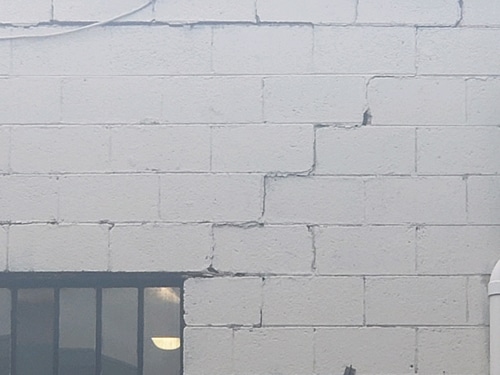
Homes in Alexandria and surrounding areas sit on clay-heavy soil. That soil expands when it absorbs water and shrinks when it dries out. This constant cycle puts stress on foundation walls. When soil becomes saturated, it also creates pressure against the wall. Over time, that pressure can lead to:
- Vertical cracks from settlement
- Horizontal cracks from soil pressure
- Water intrusion through weak points
Most cracks are tied back to moisture and drainage in some way.
Start with Grading Around the Home
Grading is one of the simplest and most overlooked factors. If the ground around your home slopes toward the foundation, water will naturally collect there. That creates the conditions for pressure and cracking. The ground should slope away from the house, even if it’s a slight slope. A good rule is to have the soil drop several inches within the first few feet away from the foundation. This helps move water away before it has a chance to soak in. If water sits near the house after rain, grading is usually part of the problem.
Downspouts Matter More Than Most People Think
Downspouts are supposed to carry roof water away from the home, but in many cases, they don’t go far enough. If a downspout empties right next to the foundation, it’s adding a large amount of water to the exact area you’re trying to keep dry. This is one of the most common causes of foundation issues. To reduce risk:
- Extend downspouts several feet away from the home
- Make sure water is directed toward a lower area of the yard
- Avoid dumping water into areas that already stay wet
In Northern Virginia, where storms can drop a lot of rain in a short time, proper downspout placement makes a noticeable difference.
Use French Drains to Control Groundwater
In some cases, grading and downspouts are not enough. If water is still collecting around your home, a French drain system can help. A French drain is designed to collect water underground and move it away from the foundation before it builds up. These systems are especially useful when:
- Soil stays saturated after rain
- The yard does not drain well naturally
- Water tends to collect along the foundation
By reducing the amount of water in the soil, you reduce the pressure pushing against the foundation walls.
Don’t Ignore Drainage Problems
Small drainage issues tend to turn into larger problems over time. If water regularly pools near your home, it’s not just a nuisance. It’s putting stress on the foundation every time it rains. Signs to watch for include:
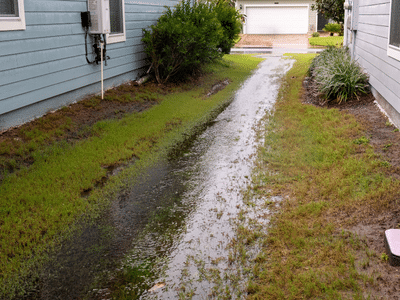
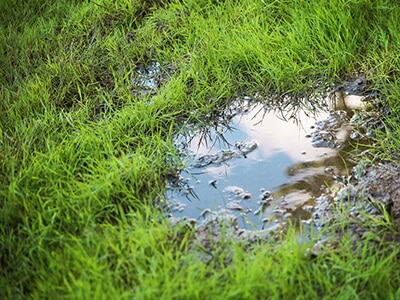
Standing water near the foundation
Soil that stays wet for days
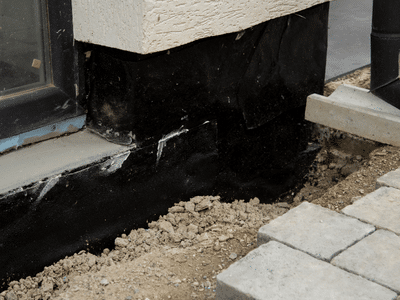
Erosion or washout around the home
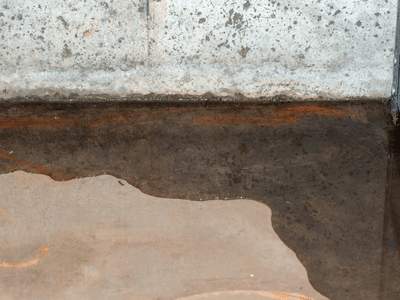
Damp basement or crawl space conditions
These are early warnings that conditions are right for cracking.
Waterproofing Helps Relieve Pressure
Even with good drainage, some moisture will still reach the foundation. Basement waterproofing systems are designed to manage that moisture and reduce pressure on the walls. This can include:
- Interior drainage systems that collect water at the base of the wall
- Sump pumps that remove water from around the foundation
- Wall systems that direct moisture into controlled drainage
The goal is not just to block water, but to give it a controlled path away from the structure.
Consistency Matters More Than One Fix
One of the biggest mistakes homeowners make is treating these solutions as separate. In reality, they work together.
- Grading moves surface water away
- Downspouts control roof runoff
- French drains handle groundwater
- Waterproofing manages what remains
When all of these are working together, the foundation is no longer under constant stress.
Contact Us For a Foundation Inspection in Northern Virginia
If you’re seeing early signs of foundation cracks or want to improve drainage around your home, it’s worth having evaluated. Our team at DESKA Foundation Repair helps homeowners throughout Alexandria and Northern Virginia identify conditions that lead to cracking and can help repair leaky foundation cracks. Contact our team today by calling 703-552-8201 or click the button below to fill out our online contact form.