Should I Be Worried About One Foundation Crack?

Safe Edge Max - Interior Drainage

Discovering a crack in your foundation can be alarming. For many homeowners, it's one of those things you can't unsee once you notice it. The first questions are usually, "Is my foundation failing?" or "Do I need foundation repair right away?"

The good news is that one foundation crack doesn't automatically mean you have a serious structural problem. Concrete naturally develops some cracks over time, and many are simply the result of normal curing or minor seasonal movement. The important question isn't whether there's a crack. It's why the crack formed and whether foundation movement is still occuring.

At DESKA Foundation Repair, we've inspected thousands of homes throughout Northern Virginia. One thing we've learned is that two cracks that look nearly identical can have completely different causes and require very different recommendations.
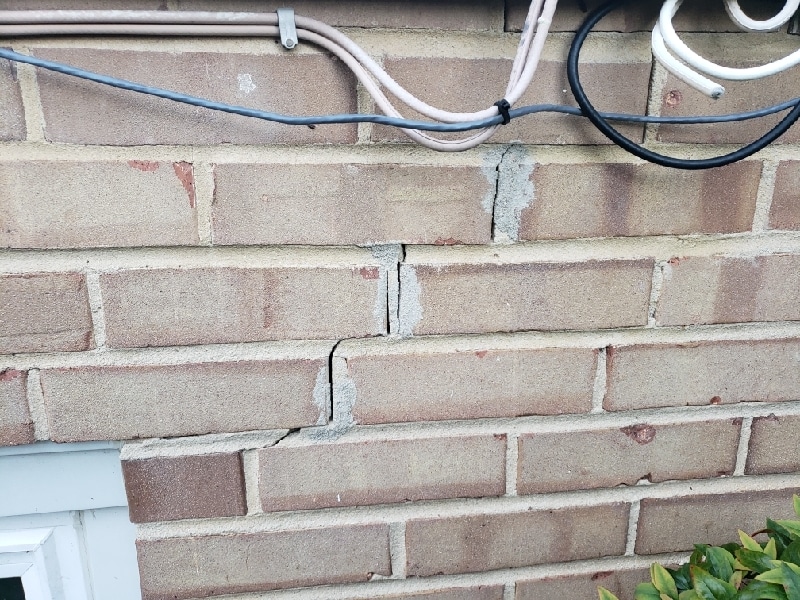
Not Every Foundation Crack Is Structural

Concrete is incredibly strong in compression, but like all building materials, it responds to stress. As a home settles, soil expands and contracts, or moisture conditions change, it’s normal for some minor cracking to occur.

We’ve evaluated countless homes where a homeowner was convinced they needed major structural repairs, only to find that the crack had remained unchanged for years and wasn’t affecting the performance of the foundation. We’ve also seen relatively small cracks that turned out to be the first visible sign of ongoing structural movement.

That’s why appearance alone doesn’t tell the whole story.

What We Look at During an Inspection

When we evaluate a foundation crack, we’re looking at much more than its size. We want to understand how the crack formed, what forces caused it, and whether those forces are still affecting the home. That includes evaluating the direction of the crack, its location within the foundation, whether one side of the crack has shifted relative to the other, and whether there are additional signs of movement elsewhere in the house.

We also look beyond the foundation itself. Drainage, grading, soil conditions, moisture around the home, and even the performance of doors and windows can provide important clues about what’s happening beneath the structure. The crack is simply one piece of a much larger picture.

Some Cracks Are More Concerning Than Others

While every crack should be evaluated within the context of the home, certain characteristics deserve closer attention.

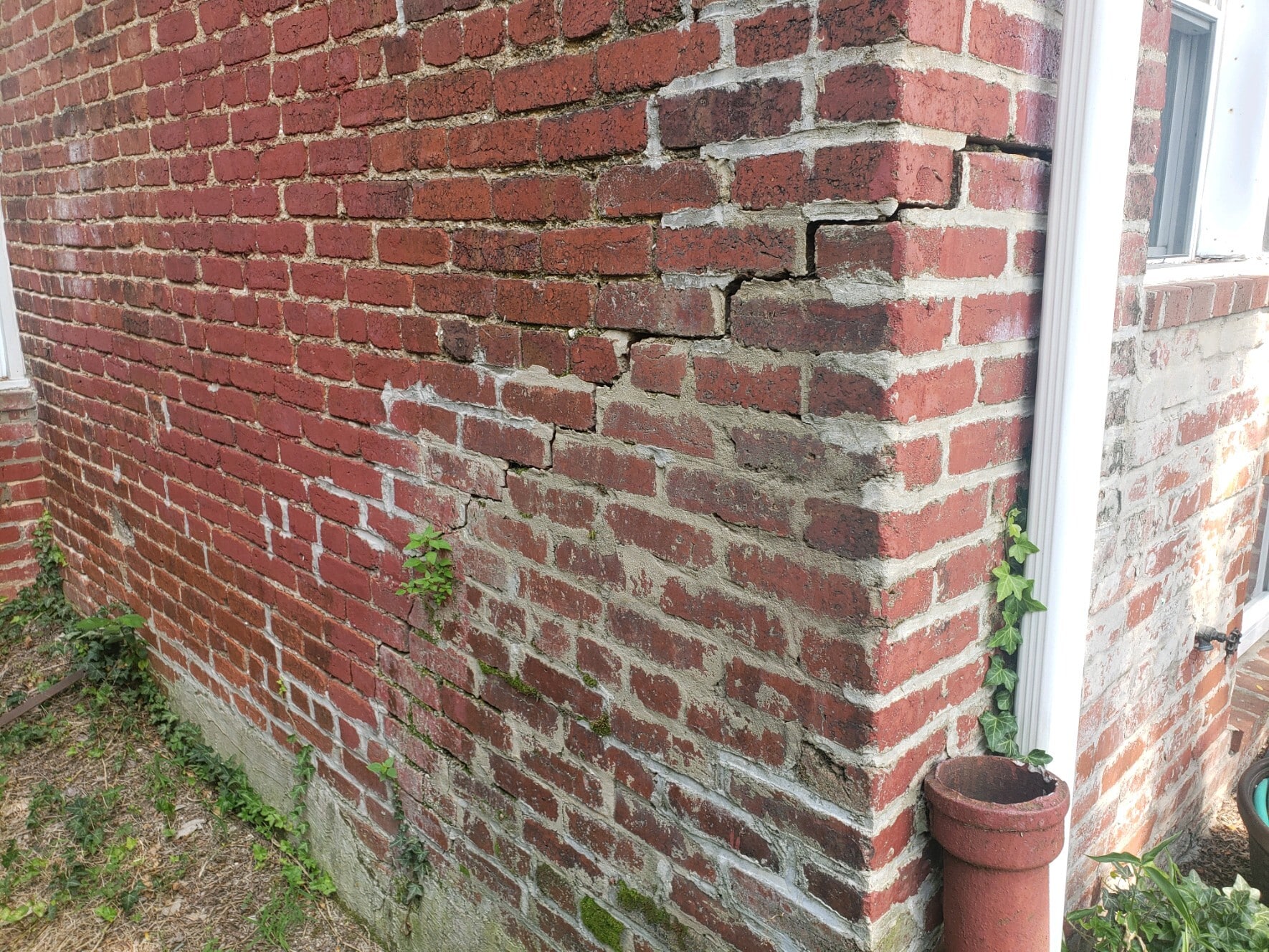
Horizontal cracks in basement walls, stair-step cracks in masonry, widening cracks, or cracks that show signs of displacement may indicate that structural forces are continuing to act on the foundation. Likewise, cracks that continue growing over time or are accompanied by bowing walls, uneven floors, or sticking doors often warrant a professional inspection.

On the other hand, a small vertical crack that has remained unchanged for many years may simply reflect normal settlement or concrete shrinkage. The only way to know the difference is by understanding what caused the crack in the first place.

Foundation Cracks Are Often Connected to Soil Conditions

One thing that makes Northern Virginia unique is the variety of soil conditions found throughout the region. Many areas contain expansive clay soils that shrink during dry weather and expand after periods of rain.

As those soils gain and lose moisture throughout the year, the support beneath a foundation can change. In some cases, those seasonal movements create harmless cosmetic cracks. In others, they contribute to differential settlement, where one portion of the home moves differently than another.

We’ve inspected neighboring homes where one experienced significant settlement while the house next door showed very little movement at all. Differences in grading, drainage, fill soil, vegetation, and construction methods can all influence how a foundation performs over time.


Look for Other Signs Around Your Home

A foundation crack becomes much more meaningful when it’s accompanied by other symptoms. If you’ve noticed doors or windows beginning to stick, new drywall cracks, uneven floors, gaps around trim, or basement walls that appear to be bowing inward, those changes may indicate the foundation is continuing to move.

One of the reasons we perform a complete structural evaluation instead of simply looking at a crack is because the surrounding symptoms often tell us more than the crack itself.

Don't Panic, But Don't Ignore It Either

One foundation crack isn’t necessarily an emergency, but it also isn’t something you should simply forget about. If the crack appears to be changing, if additional cracks begin developing, or if you’re noticing other signs of structural movement, it’s worth having the foundation professionally evaluated. Catching active movement early often provides homeowners with more repair options and can help prevent additional damage from developing.

Even if the crack turns out to be cosmetic, an inspection gives you confidence that your home’s foundation is performing as it should.

Why Every Recommendation Starts With an Inspection

We don’t make recommendations based solely on the appearance of a crack. We evaluate how the entire structure is performing.

Our inspections consider foundation movement, soil conditions, drainage, structural loading, wall deflection, and other indicators that help us determine whether the crack represents normal aging or an active structural concern. That approach allows us to recommend repairs only when they’re truly necessary and ensures the solution addresses the underlying cause rather than simply covering up the symptom.

Contact Us for Crack Repair in Alexandria

If you’ve discovered a foundation crack and aren’t sure whether it’s something to worry about, we can help.

Our experienced team provides professional foundation inspections throughout Northern Virginia, helping homeowners understand what’s causing cracks, whether movement is still occurring, and what steps, if any, should be taken to protect the long-term stability of the home. Contact us today to schedule your foundation evaluation.

Get A Free Estimate

DESKA does not sell or distribute your information to any third party services.