How a Dehumidifier Can Save Your Home
Moisture is a silent destroyer. You may not see it or smell it right away, but it can slowly eat away at your home’s structure, your air quality, and your peace of mind. At DESKA, we help homeowners take proactive steps to protect their homes—starting with something as simple (and powerful) as a dehumidifier.
In this article, we’ll explore the true cost of moisture damage, how different dehumidifiers work, and why every basement or crawl space waterproofing project should include dehumidification as part of the solution.
The Real Cost of Moisture Damage
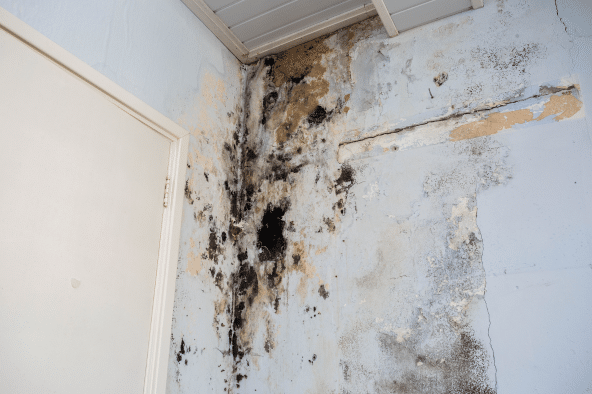
Excess humidity in your crawl space or basement may seem like a minor inconvenience. In reality, it can trigger a domino effect of expensive and hazardous issues, including:
- Rotting floor joists and beams
- Mold growth on walls, insulation, and wood
- Rusting of metal components like HVAC ductwork and fasteners
- Increased allergies and asthma symptoms
- Peeling paint, musty odors, and pest infestations
And here’s the kicker—humidity often goes unnoticed until it’s caused visible damage. If your basement smells musty or feels clammy, that’s your home waving a red flag.
Portable vs. Whole-Home Dehumidifiers: What’s the Difference?
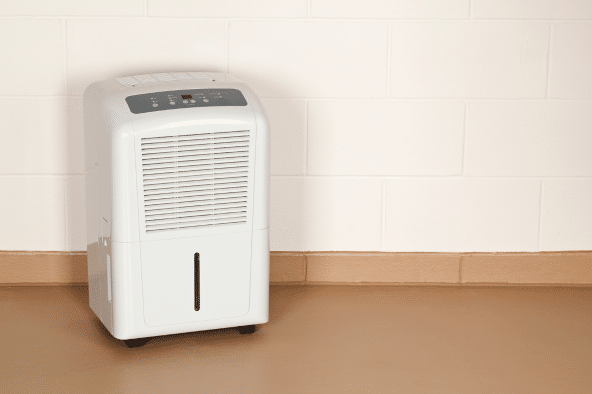
Portable Dehumidifiers
- Best for small spaces or spot treatment
- Must be emptied frequently (unless attached to a drain)
- Less energy-efficient
- Can’t keep up in large, damp areas like basements or crawl spaces
Whole-Home Dehumidifiers
- Designed for consistent, long-term humidity control
- Integrate with your HVAC or work independently in basements/crawl spaces
- Often include drain hoses or pumps for automatic moisture removal
- Higher capacity and efficiency
- Lower maintenance and longer lifespan
Why Every Waterproofing System Should Include Dehumidification
Waterproofing your crawl space or basement is a fantastic first step—but stopping water isn’t the same as stopping humidity.
Even if you’ve sealed cracks and installed a sump pump, your basement may still pull moisture in through concrete, wood, and surrounding soil. This moisture turns into damp air, which then condenses on cool surfaces.
That’s where dehumidifiers come in. They:
- Maintain a safe humidity level (typically 30–50% RH)
- Prevent mold and mildew from taking hold
- Help protect your insulation, structural wood, and stored items
- Improve energy efficiency by reducing the strain on your HVAC system
How to Spot the Signs Before It’s Too Late
- Foggy basement or crawl space windows
- Rust on pipes, nails, or metal ducts
- A persistent musty odor
- Mold patches on wood or insulation
- Peeling paint or bubbling walls
- Excessive condensation on cold surfaces
Schedule Your Free Waterproofing & Humidity Control Estimate Today
Whether you’re already seeing signs of humidity damage or you’re taking a proactive approach, a properly installed dehumidifier can be one of the smartest investments you make in your home’s future.
DESKA is here to help you choose the right system, install it the right way, and pair it with the right waterproofing solutions to give your basement or crawl space the protection it deserves.
Call our team at 703-552-8201 or click the button below to schedule a free estimate.