Horizontal Cracks vs Bowing Walls: What’s the Difference?
If you’ve noticed a horizontal crack in your basement wall or a wall that doesn’t look quite straight, it’s natural to wonder how serious it is. These two issues are closely related, but they’re not the same thing. One is often a warning sign. The other is a sign the problem has already progressed.
Quick Answer
- Horizontal cracks are usually an early sign of pressure on the foundation wall
- Bowing walls mean the wall has already started to move inward
Both are caused by soil pressure, but bowing walls indicate a more advanced structural issue.

Why These Problems Happen in Northern Virginia
In Alexandria and throughout Northern Virginia, soil plays a big role in foundation issues. The area has a lot of clay-based soil, which expands when it absorbs water and puts pressure on foundation walls. During wet periods, that pressure builds up against the outside of the wall. Over time, the wall starts to respond. First with cracks. Then with movement.
What Horizontal Cracks Really Mean
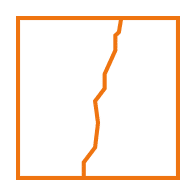
Horizontal cracks don’t typically happen from normal settling. They are usually caused by pressure pushing inward on the wall. This pressure comes from saturated soil pressing against the foundation. As the force increases, the wall begins to crack along a horizontal line. You’ll often see:
- A long crack running across the middle of the wall
- Cracks forming in concrete or block foundations
- Signs of moisture along the crack
At this stage, the wall may still be structurally stable, but it’s under stress.
What Bowing Walls Look Like
Bowing walls are what happens when that pressure continues over time.
Instead of just cracking, the wall begins to move inward.
This movement may start out subtle. A slight curve that’s easy to miss unless you’re looking for it. Over time, it becomes more noticeable.
Common signs include:
- A visible inward curve in the wall
- Horizontal cracks that widen over time
- Gaps forming where the wall meets the floor or ceiling
- Difficulty keeping the wall structurally aligned
Once a wall starts bowing, it’s no longer just a crack issue. It’s a structural problem.
The Key Difference
That’s why bowed walls are typically more urgent.
The difference comes down to progression. A horizontal crack is often the result of pressure building. A bowing wall means that pressure has already caused movement. In simple terms:
- Cracks show stress
- Bowing shows movement
Can a Horizontal Crack Turn Into a Bowing Wall?
Yes, and it often does if nothing is done. The crack is usually the first visible sign that the wall is under pressure. If the conditions causing that pressure don’t change, the wall continues to weaken. Over time, it starts to shift inward. That’s why catching horizontal cracks early can make a big difference.
What Causes the Pressure in the First Place
In most cases, the root cause is water. When soil becomes saturated, it expands and pushes against the foundation wall. This is known as hydrostatic pressure. Contributing factors include:
Poor drainage around the home
Downspouts that discharge near the foundation
Yard grading that directs water toward the house
Heavy rain or prolonged wet conditions
In Northern Virginia, these conditions are common, especially during seasonal storms.
When Should You Be Concerned
Not every crack or slight movement means immediate failure, but some signs shouldn’t be ignored. You should take a closer look if you notice:
- Horizontal cracks getting wider over time
- Any visible inward movement in the wall
- Multiple cracks forming across the same wall
- Water entering through cracks
- Changes happening after heavy rain
These are signs the problem is active, not just cosmetic.
How These Problems Are Fixed
The right solution depends on how far the issue has progressed.
For horizontal cracks:
- Crack repair may be part of the solution
- Reducing pressure through drainage improvements is key
For bowing walls:
- Structural reinforcement systems are often needed
- Solutions are designed to stabilize and prevent further movement
In many cases, addressing drainage is just as important as reinforcing the wall itself.
What Happens If It’s Ignored
Foundation walls don’t correct themselves. If pressure continues, the wall can continue to bow, which can lead to:
- Increased structural stress
- Larger cracks and separation
- Potential failure of the wall over time
The earlier the issue is addressed, the more options you typically have.
Contact DESKA Foundation Repair
If you’re seeing horizontal cracks or signs of a bowing wall, it’s worth having it evaluated before the problem gets worse. Our team at DESKA Foundation Repair helps homeowners throughout Alexandria and Northern Virginia identify what’s causing the issue and recommend solutions that stabilize and protect the structure.
Contact our team today to schedule an inspection and get a clear answer on what’s happening with your foundation.