Concrete Leveling Before and After: What to Expect
A lot of homeowners are surprised by how much uneven concrete can change the appearance and safety of their property. What starts as a slightly uneven sidewalk or sinking patio can eventually turn into tripping hazards, cracked concrete, and other issues around your home. The good news is that many of these issues can be fixed without complete replacement. That’s where concrete leveling comes into play.
Quick Answer
Concrete leveling lifts and stabilizes sunken concrete slabs by restoring support underneath them.
Before leveling, homeowners often notice:
- More even and stable
- Safer to walk on
- Better aligned for drainage
- Improved visually without full replacement
After leveling, the concrete is typically:
- Uneven sidewalks or driveways
- Sinking patios
- Cracks and trip hazards
- Water draining toward the home
Why Concrete Starts Sinking
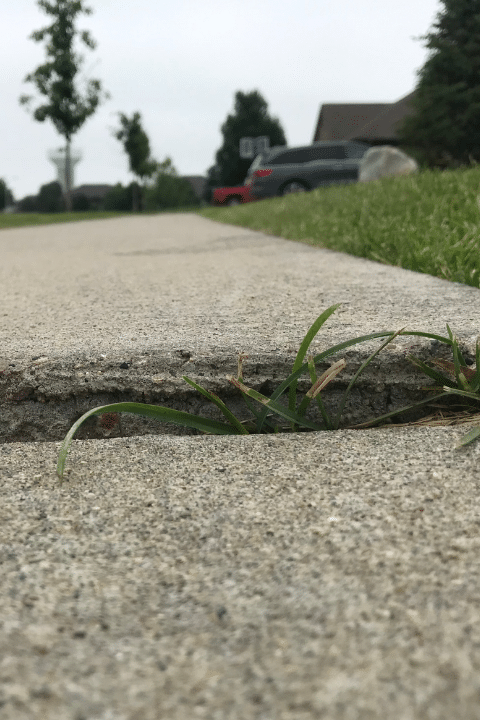
Concrete itself is rarely the real problem. Most settlement happens because the soil underneath changes over time. In Northern Virginia, heavy rain and clay-heavy soil often contribute to soil erosion, expansion and contraction, and voids underneath the concrete. Once the support structure weakens the slab will begin to sink.
What Concrete Looks Like Before Leveling
Before leveling, homeowners often notice obvious warning signs around the property.
Common examples include:
Sidewalk sections lifting unevenly
Driveways sinking near the garage
Patios sloping toward the house
Pool decks becoming uneven
Water pooling in low spots after rain
These issues are not just cosmetic. Uneven concrete can also create drainage and safety concerns.
The Biggest Problem Is Often Water
A lot of settled concrete problems are tied to drainage. When slabs shift water stops draining away from your home and even more erosion can occur. That means the problem gets worse if it’s not fixed.
What Happens During Concrete Leveling
Concrete leveling works by stabilizing the slab from underneath. Small access holes are created, and material is injected beneath the concrete to fill empty spaces and carefully lift the slab back into position. The goal is to:
- Restore support
- Re-level the surface
- Reduce movement going forward
Unlike full replacement, the existing concrete stays in place.
Why Homeowners Choose Leveling Instead of Replacement
Concrete replacement is much more invasive and expensive.
Leveling is often preferred because it:
- Costs less than replacement
- Requires less disruption
- Preserves existing concrete
- Can often be completed faster
If the slab is structurally sound, leveling is often the more practical solution.
What Most Homeowners Get Wrong
A common misconception is that cracked or uneven concrete automatically needs replacement. In many cases, the slab itself is still usable. The real issue is the soil underneath. Another mistake is waiting too long. The more settlement continues, the larger the voids and movement can become.
Why This Is Common in Northern Virginia
In Alexandria and throughout Northern Virginia, homes deal with:
- Heavy rain events
- Clay-heavy soil
- Soil expansion and contraction
Those conditions create constant movement beneath exterior concrete surfaces over time. That’s why concrete leveling is such a common solution in the area.
Final Thoughts
Concrete leveling can dramatically improve both the appearance and safety of your property without the cost and disruption of full replacement.
The before-and-after difference is often more than cosmetic. It helps restore stability, drainage, and usability around the home.
Contact Us for Concrete Leveling in Northern Virginia
If you’re dealing with uneven sidewalks, sinking patios, or settled concrete around your home, DESKA Foundation Repair can help. We help homeowners throughout Alexandria and Northern Virginia stabilize and level concrete surfaces while addressing the underlying soil conditions causing the problem. Contact our team today to schedule an inspection and learn more about your concrete leveling options.