Void Filling Services in Northern Virginia, DC & Maryland
Empty spaces under concrete or around a foundation usually start small. A little soil washes out after heavy rain. A downspout drains too close to the house. A slab settles just enough to leave a gap underneath.
Over time, those voids can lead to cracked concrete, uneven slabs, water problems, trip hazards, and foundation movement.
DESKA Services provides professional void filling for homes and commercial properties in Northern Virginia, Washington, DC, and Maryland. Our team evaluates the cause of the void, determines whether the affected area is still structurally sound, and recommends a repair method that fits the problem. In many cases, voids beneath concrete slabs can be filled with high-density polyurethane foam to stabilize the area without full concrete replacement.
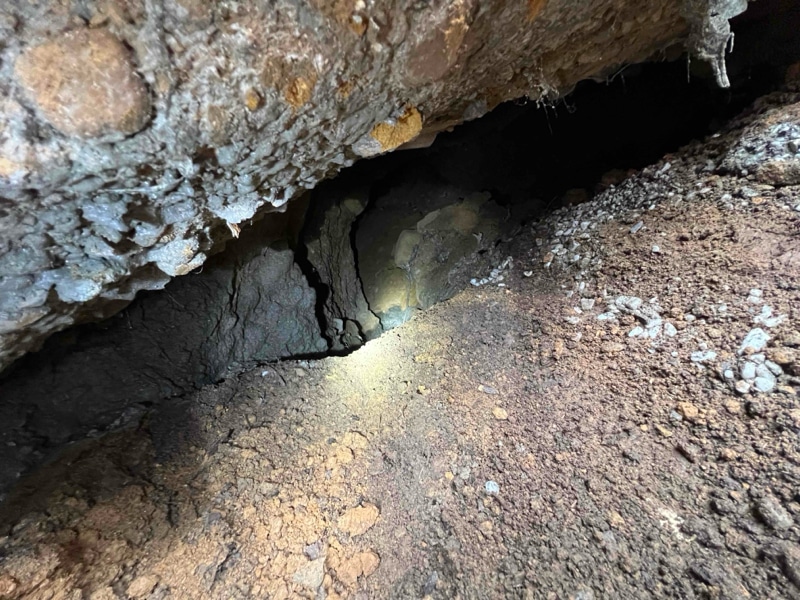
What Is Void Filling?
Void filling is the process of filling empty spaces beneath concrete, soil-supported slabs, foundations, sidewalks, driveways, patios, garage floors, stoops, or other structures.
These gaps often form when the soil underneath the surface shifts, erodes, settles, or washes away. Once the soil support is gone, the concrete or structure above it can begin to sink, crack, rock, or separate.
Void filling helps restore support beneath the affected area. Depending on the conditions, it may also help reduce future settlement, improve safety, and prevent the damage from spreading.
Common Signs You May Need Void Filling
You may have a void beneath your concrete or foundation if you notice:
Concrete slabs that sound hollow when tapped
Sidewalks, patios, or driveways that have settled
Cracks that keep widening
Gaps beneath concrete edges
Water pooling near slabs or foundation walls
Soil washing out from under walkways, steps, or patios
Uneven concrete that creates a trip hazard
Garage floors or basement slabs with low spots
Concrete that rocks or moves when walked or driven on
Voids near stoops, porches, retaining walls, or foundation areas
Not every crack means there is a serious void underneath. Some cracks are surface-level. Others are signs that the slab has lost support. A proper inspection helps separate a simple concrete issue from a deeper soil or drainage problem.
Why Voids Form Under Concrete and Foundations
Voids usually happen because the soil beneath the surface is no longer providing consistent support. In the DC metro area, that can happen for several reasons.
Heavy Rain and Soil Washout
Heavy rain can move soil out from under concrete, especially when water is allowed to run along slab edges or collect near the foundation. Once water finds a path, it can keep carrying soil away.
Poor Drainage
Clogged gutters, short downspouts, negative grading, and poorly designed drains can all direct water where it should not go. If water repeatedly collects around concrete or foundation areas, erosion becomes much more likely.
Expansive Clay Soils
Northern Virginia and surrounding areas have clay-heavy soils in many neighborhoods. Clay soil can expand when wet and shrink during dry periods. That movement can leave gaps beneath slabs and place stress on nearby foundation elements.
Poor Soil Compaction
If soil was not compacted properly before the concrete was poured, it may settle over time. This is common around newer construction, additions, utility trenches, patios, sidewalks, and garage slabs.
Plumbing or Utility Leaks
A leaking pipe can remove soil slowly and quietly. By the time the concrete settles or a void becomes visible, the underlying erosion may already be significant.
Freeze-Thaw Cycles
Water beneath concrete can freeze, expand, thaw, and move. Repeated cycles can worsen cracks, shift soil, and create empty pockets under the slab.


Where DESKA Provides Void Filling
DESKA can evaluate and repair voids beneath or around many concrete and structural areas, including:
- Driveways
- Sidewalks
- Walkways
- Patios
- Pool decks
- Garage floors
- Basement slabs
- Concrete stoops
- Porches
- Steps
- Slab-on-grade areas
- Commercial sidewalks
- Warehouse or facility slabs
- Concrete pads
- Foundation-adjacent concrete
- Retaining wall areas
- Utility trench settlement areas
Some voids are simple slab-support issues. Others are connected to foundation settlement, drainage failure, or structural movement. DESKA’s engineering background is important because the right repair depends on what caused the void in the first place.
How Void Filling Works
The exact process depends on the site conditions, but most concrete void filling projects follow a similar approach.
Inspection and Diagnosis
We start by looking at the visible symptoms and the surrounding conditions. That includes the slab, nearby foundation walls, drainage patterns, soil loss, cracks, settlement, and water flow.
The goal is not just to fill the empty space. The goal is to understand why the void formed.
Repair
Planning
Once we understand the problem, we determine whether void filling is the right repair. If the concrete is severely broken, badly deteriorated, or affected by deeper structural movement, another solution may be needed. If void filling is appropriate, we identify the best access points and repair material.
Injection of
Fill Material
For many slab voids, high-density polyurethane foam can be injected through small holes in the concrete. The foam expands beneath the slab, fills empty space, and helps restore support. In some applications, other fill methods may be more appropriate. The repair depends on the size of the void, access, soil conditions, water exposure, and the type of structure being supported.
Stabilization
As the material fills the void, it helps support the concrete or affected area. If slab lifting is also needed, the repair may be paired with concrete leveling.
Cleanup & Prevention Recommendations
After the void is filled, the injection points are patched. DESKA may also recommend drainage corrections, downspout extensions, grading improvements, crack repair, or waterproofing if water caused the original problem.
Polyurethane Foam Void Filling
Polyurethane foam is often used for void filling because it is lightweight, strong, and minimally invasive. It can fill empty spaces beneath concrete without adding the weight of traditional cement-based materials.
Foam void filling is commonly used when concrete is mostly intact but has lost soil support underneath.
Benefits can include:
- Small injection holes
- Faster installation than many replacement methods
- Less disruption to the surrounding area
- Lightweight material that does not overload weak soil
- Ability to fill irregular spaces beneath slabs
- Support for settled or hollow concrete
- Compatibility with many concrete leveling projects
Polyurethane foam is not the answer for every situation. If the slab is too damaged, if the soil problem is severe, or if there is active structural movement, DESKA may recommend a different repair. That is why inspection matters.
Void Filling vs. Concrete Replacement
Concrete replacement may be necessary when the slab is badly cracked, crumbling, or structurally compromised. But replacement is not always the best first option.
If the concrete is still in reasonable condition, void filling may help stabilize the slab without removing and repouring it. This can reduce disruption, preserve existing concrete, and address the missing support beneath the surface.
The key question is simple: is the concrete itself the problem, or is the soil support beneath it the problem?
If the slab is sound but unsupported, void filling may be a strong option. If the slab has failed, replacement may be the better long-term repair.
Void Filling and Concrete Leveling
Void filling and concrete leveling are closely related, but they are not exactly the same.
Void filling focuses on filling the empty space beneath the concrete. Concrete leveling focuses on raising a sunken slab back toward its proper position.
Many projects involve both. If a driveway, sidewalk, patio, or garage slab has settled because soil washed out underneath, DESKA may use polyurethane foam to fill the void and lift the slab at the same time.
In other cases, the slab may not need to be lifted. It may only need support beneath it to help prevent additional cracking or movement.
Why You Should Not Ignore Voids
A void under concrete is not just an empty space. It is a weak point.
Left alone, voids can lead to:
- Larger cracks
- Slab settlement
- Uneven walking surfaces
- Trip hazards
- Water collecting near the home
- Soil erosion that continues to spread
- Damage to nearby foundation areas
- More expensive repairs later
A small void may be simple to address. A larger void, especially one caused by ongoing water movement, can affect more than one slab or structure.
Void Filling vs. Concrete Replacement
Concrete replacement may be necessary when the slab is badly cracked, crumbling, or structurally compromised. But replacement is not always the best first option.
If the concrete is still in reasonable condition, void filling may help stabilize the slab without removing and repouring it. This can reduce disruption, preserve existing concrete, and address the missing support beneath the surface.
The key question is simple: is the concrete itself the problem, or is the soil support beneath it the problem?
If the slab is sound but unsupported, void filling may be a strong option. If the slab has failed, replacement may be the better long-term repair.
Void Filling and Concrete Leveling
Void filling and concrete leveling are closely related, but they are not exactly the same.
Void filling focuses on filling the empty space beneath the concrete. Concrete leveling focuses on raising a sunken slab back toward its proper position.
Many projects involve both. If a driveway, sidewalk, patio, or garage slab has settled because soil washed out underneath, DESKA may use polyurethane foam to fill the void and lift the slab at the same time.
In other cases, the slab may not need to be lifted. It may only need support beneath it to help prevent additional cracking or movement.
Why You Should Not Ignore Voids
A void under concrete is not just an empty space. It is a weak point.
Left alone, voids can lead to:
- Larger cracks
- Slab settlement
- Uneven walking surfaces
- Trip hazards
- Water collecting near the home
- Soil erosion that continues to spread
- Damage to nearby foundation areas
- More expensive repairs later
A small void may be simple to address. A larger void, especially one caused by ongoing water movement, can affect more than one slab or structure.
Drainage Matters After Void Filling
Filling the void is only part of the repair if water caused the problem.
If downspouts discharge beside the slab, gutters overflow, or the yard slopes toward the house, the same erosion can happen again. DESKA often evaluates drainage as part of the repair because water management is closely tied to long-term concrete and foundation performance.
Depending on the property, prevention may include:
- Extending downspouts
- Improving grading
- Installing or repairing drainage systems
- Sealing cracks
- Redirecting surface water
- Addressing sump pump discharge
- Repairing gutter problems
- Waterproofing nearby foundation walls
A stable repair starts with support beneath the concrete. A lasting repair also controls the water that removed that support.
Residential Void Filling
For homeowners, void filling is often needed around driveways, sidewalks, patios, garage floors, stoops, porches, and basement slabs. These areas are exposed to roof runoff, surface drainage, soil movement, and seasonal moisture changes.
DESKA helps homeowners identify whether the issue is limited to one slab or connected to a broader foundation or drainage concern. That distinction matters. A sunken walkway may be a simple concrete issue. A void near a foundation wall with basement water may require a more complete repair plan.
Commercial Void Filling
Commercial properties can develop voids under sidewalks, loading areas, warehouse slabs, parking areas, mechanical pads, entryways, and other high-use concrete surfaces.
DESKA works with property managers, facility managers, contractors, and commercial owners to evaluate concrete and soil-support issues. Our team can help address safety concerns, reduce disruption, and coordinate repairs around active properties.
Commercial void filling may be appropriate for:
- Trip hazards at public walkways
- Hollow or unsupported slabs
- Settled concrete near entrances
- Facility slab support issues
- Erosion near drainage structures
- Concrete settlement around utility areas
- Preventive stabilization before damage worsens
Why Choose DESKA Services for Void Filling?
Void filling looks simple from the surface. Drill, inject, patch, done.
The real work is knowing what is happening below the slab.
DESKA brings structural, foundation, waterproofing, drainage, and concrete experience together. That matters because voids often involve more than one issue. A concrete slab may have settled because of poor drainage. A foundation-adjacent void may be tied to hydrostatic pressure. A hollow garage slab may point to soil compaction or water movement.
With DESKA, you get a team that can look at the whole condition, not just the visible crack or gap.
Homeowners and commercial clients choose DESKA because we provide:
- Engineering-informed evaluation
- Foundation and structural repair experience
- Concrete leveling and stabilization options
- Basement waterproofing and drainage knowledge
- Local understanding of Northern Virginia, DC, and Maryland soil conditions
- Practical recommendations based on the actual problem
- Repair options for both residential and commercial properties
Schedule a Void Filling Evaluation
If you have hollow concrete, sunken slabs, soil washout, or gaps beneath your driveway, sidewalk, patio, garage floor, or foundation area, DESKA Services can help.
We serve homeowners, property managers, contractors, and commercial clients throughout Northern Virginia, Washington, DC, and Maryland.
Contact DESKA Services to schedule a void filling evaluation and find out what is happening beneath the surface.
Frequently Asked Questions About Concrete Leveling Void Filling
How do I know if there is a void under my concrete?
Common signs include hollow sounds, cracking, settling, rocking slabs, gaps along concrete edges, soil washout, and water collecting near the area. A professional inspection can confirm whether the slab has lost support.
Can void filling lift my concrete?
Sometimes. If the slab has settled and the concrete is still in good condition, polyurethane foam may be used to fill the void and lift the slab. If the concrete is badly damaged, replacement may be needed.
Is polyurethane foam better than mudjacking?
It depends on the project. Polyurethane foam is lightweight, cures quickly, and can be installed through small holes. Mudjacking uses a heavier cement-based slurry. DESKA can recommend the better option based on the slab condition, soil conditions, and repair goal.
Will void filling fix my drainage problem?
No. Void filling can restore missing support, but it does not automatically correct the water problem that caused the void. If drainage is the cause, downspouts, grading, drains, gutters, or waterproofing may also need attention.
Can void filling help prevent more concrete cracking?
It can help if the cracking is caused by missing support beneath the slab. Filling the void gives the concrete a more stable base. Existing cracks may still need to be repaired or monitored.
Do I need to replace the concrete instead?
Replacement may be necessary if the concrete is badly broken, severely deteriorated, or no longer structurally sound. If the concrete is mostly intact, void filling or concrete leveling may be a less disruptive option.
Where does DESKA provide void filling services?
DESKA provides void filling and related concrete, foundation, waterproofing, and drainage services throughout Northern Virginia, Washington, DC, and Maryland.
Customer Reviews
Basement Waterproofing
Epoxy Injection
I had a leaking crack in my foundation that they epoxy injected. I was pleased with the service and I haven’t had any issues since!