What Is a French Drain in a Basement and How Does It Work?
If you’ve dealt with water in your basement, you’ve probably heard the term French drain. It’s one of the most common solutions for basement waterproofing, especially in areas like Alexandria and Northern Virginia where soil holds moisture and drainage can be a challenge.
But what exactly is a French drain, and how does it actually keep your basement dry?
What Is a Basement French Drain?
A French drain in a basement is a drainage system designed to collect water and direct it away from your foundation before it can build up and cause damage.
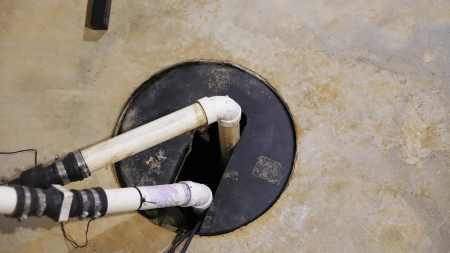
In most homes, this system is installed along the inside perimeter of the basement floor. It works by capturing water as it enters at the base of the foundation walls and guiding it into a controlled drainage path.
Instead of allowing water to spread across your basement floor, the system redirects it safely to a sump pump, which then pumps it away from your home.
How a French Drain Works
Basement French drains are built to manage water at the point where it typically enters.
Here’s how the system functions:
Water builds up in the soil around the foundation due to rain or groundwater
Hydrostatic pressure pushes that water toward the basement walls
Water enters at the cove joint or through small cracks
The French drain collects the water in a gravel-filled channel with a perforated pipe
The pipe directs water to a sump pump system
The sump pump removes the water from the home
This process relieves pressure around the foundation and prevents water from pooling inside the basement.
Why French Drains Are Common in Northern Virginia
In areas like Alexandria, Arlington, and Fairfax County, French drains are widely used because of the soil and climate.
Northern Virginia soils tend to retain moisture, especially during heavy rain. Combined with humid conditions and seasonal storms, this creates ongoing pressure around basement walls.
French drains are effective in this environment because they don’t try to stop water completely. Instead, they control it and move it away before it becomes a problem.
When a French Drain Is Needed
Not every basement needs a drainage system, but certain signs usually indicate it’s time to consider one.
Common warning signs include:
- Water pooling along the basement walls
- Damp or musty basement conditions
- Efflorescence on walls
- Recurring leaks after heavy rain
- Cracks in the floor or foundation walls
If water is consistently finding its way into your basement, a French drain is often one of the most reliable long-term solutions.
Interior vs Exterior French Drains
There are two main types of French drain systems: interior and exterior.
Interior systems are installed inside the basement and are designed to manage water after it reaches the foundation. These are the most common for existing homes.
Exterior systems are installed outside the foundation and aim to stop water before it reaches the basement walls. These can be effective but often require excavation and are more invasive to install.
In many Northern Virginia homes, interior systems paired with a sump pump provide a practical and effective solution.
Basement Waterproofing in Northern Virginia
At DESKA Foundation Repair, French drain systems are one of the most common solutions we install for basement water problems.
Homes throughout Alexandria and Northern Virginia deal with groundwater pressure and drainage issues due to soil conditions and seasonal weather. A properly installed drainage system can make a significant difference in keeping a basement dry and protecting the foundation.
Contact Us for French Drain Installation In Northern Virginia
If you’re dealing with water in your basement or want to prevent future issues, a French drain system may be the right solution. Contact us at DESKA today to schedule an inspection and find out if a basement drainage system is the right fit for your home. Our team proudly serves Alexandria and the surrounding Northern Virginia communities.