
How the Clay Bowl Effect Gets Worse in Cold, Wet Weather
When homeowners notice new basement leaks, wall cracks, or foundation movement during the colder months, the cause is often hiding just outside the foundation walls. In areas with clay-heavy soil, cold, wet weather can dramatically worsen the clay bowl effect, putting added pressure on your foundation and increasing the risk of damage.
At DESKA, we regularly see foundation and basement problems accelerate during late fall, winter rains, and freeze-thaw cycles. Understanding how clay soil behaves in these conditions can help you take action before minor issues turn into major repairs.
What Is the Clay Bowl Effect?
The clay bowl effect occurs when the soil around your foundation is composed of dense, expansive clay. During construction, this soil is excavated and then backfilled around the foundation walls. Over time, the backfilled clay settles, creating a bowl-shaped area around your home.
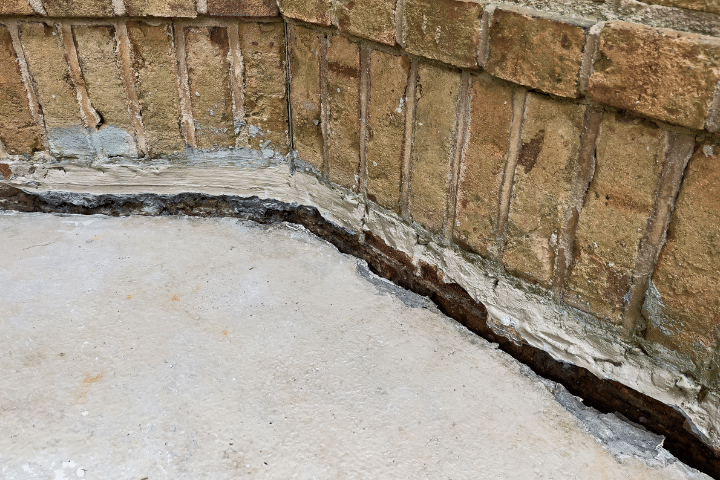
Clay soil absorbs water easily but drains very slowly. Instead of allowing moisture to move away from the foundation, the soil traps it against your basement walls. This creates constant moisture exposure and pressure that can lead to leaks, cracks, and structural stress.
Why Cold, Wet Weather Makes the Clay Bowl Effect Worse
Increased Water Saturation
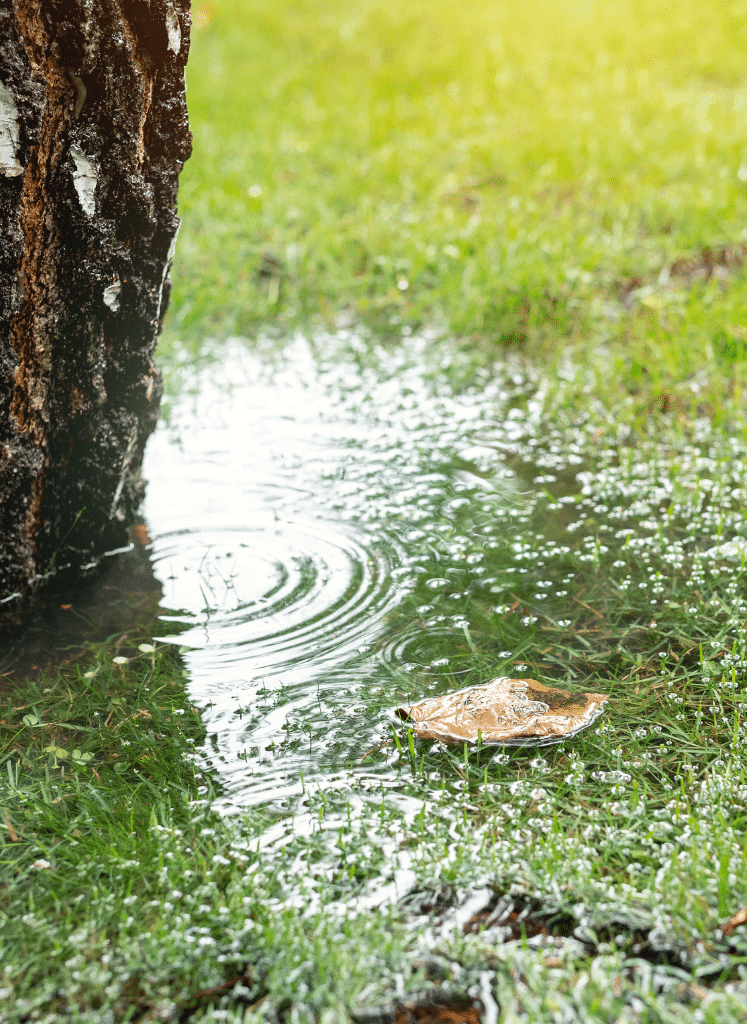
During periods of heavy rain, winter storms, and snowmelt, clay soil absorbs large amounts of moisture. Because clay does not drain well, water remains pressed against the foundation rather than flowing away. This prolonged saturation is a major contributor to basement damage in clay soils.
Soil Expansion and Contraction
Clay soil expands when wet and contracts when dry. Cold, wet weather intensifies this cycle. As temperatures fluctuate, the soil repeatedly swells and shrinks, placing stress on foundation walls and footings. This soil expansion around the foundation can cause cracking, shifting, or inward wall movement.
Freeze-Thaw Amplifies Pressure
When saturated clay soil freezes, it expands even further. As it thaws, it contracts again, creating repeated movement around the foundation. This freeze-thaw action increases lateral pressure against basement walls and accelerates existing foundation problems. Over time, this can lead to bowed walls, widening cracks, and water intrusion.
Crawl Space and Basement Moisture Issues
Homes with crawl spaces are especially vulnerable during cold, wet weather. Excess moisture trapped by clay soil can lead to standing water, damp air, mold growth, and wood rot. Winter rain and thaw cycles often make crawl space moisture problems more noticeable.
Common Problems Caused by the Clay Bowl Effect in Winter
When the clay bowl effect worsens, homeowners may notice:
Water seeping through the basement walls or floors
Horizontal or stair-step cracks forming in foundation walls
Bowing or leaning basement walls
Increased humidity or musty odors in basements and crawl spaces
Efflorescence or staining on foundation walls
These issues often appear or worsen during colder months when soil movement and moisture levels are at their highest.
Why Drainage Matters More Than Ever
Proper drainage is critical in minimizing the clay bowl effect. Without it, water from roof runoff, winter rain, and snowmelt continues to collect near the foundation. Over time, this constant exposure increases hydrostatic pressure and accelerates damage.
Solutions such as downspout extensions, grading corrections, interior drainage systems, and sump pumps all work together to relieve pressure and move water away from the foundation before it becomes a problem.
How DESKA Helps Protect Homes from Clay Soil Damage
At DESKA, we take a comprehensive approach to addressing clay soil foundation issues, especially during cold and wet seasons. Our solutions may include:
- Basement waterproofing systems to manage water intrusion
- Interior drainage and sump pump installation
- Crawl space waterproofing and encapsulation
- Foundation wall stabilization and crack repair
- Drainage improvements to reduce soil saturation
By addressing both water management and structural support, we help reduce the pressure from expanding clay soil and protect your home in the long term.
Don’t Let Winter Weather Worsen Foundation Problems
The clay bowl effect does not stop when temperatures drop. In fact, cold, wet weather can make foundation and basement issues worse if left unaddressed. The earlier these problems are identified, the easier and more cost-effective they are to fix.
If you’re noticing signs of basement leaks, foundation cracks, or crawl space moisture during winter rains, DESKA is here to help. Our experienced team understands local soil conditions and how to protect homes from seasonal damage.
Schedule a professional foundation or basement inspection with DESKA today and take the first step toward keeping your home dry, stable, and secure year-round.