Foundation Settlement vs Heave: What’s the Difference?
If you’re seeing cracks in your walls, uneven floors, or doors that don’t close properly, you’ve probably heard terms like foundation settlement and foundation heave. They’re often used together, but they’re not the same thing. Understanding the difference is important, especially for homeowners in Alexandria, Arlington, and throughout Northern Virginia, where soil conditions can cause both types of movement.
Quick Answer
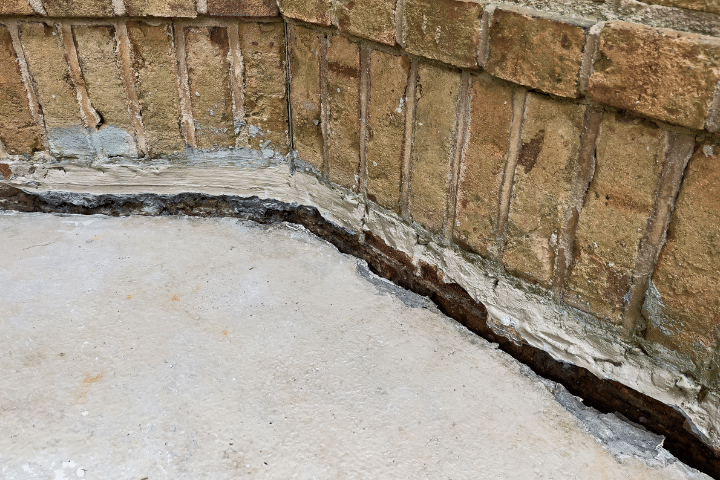
- Foundation settlement is when part of your home moves downward
- Foundation heave is when part of your home moves upward
Both are caused by soil movement, but they affect your home in different ways and require different solutions.
What Is Foundation Settlement?
Foundation settlement happens when the soil beneath your home compresses or shifts, causing the structure to move downward.
This is one of the most common foundation issues we see in Northern Virginia. Over time, soil can compact, wash out, or lose its ability to support the weight of the home.
Common causes of settlement include:
- Poor soil compaction during construction
- Erosion from drainage issues
- Changes in soil moisture levels
- Natural settling over time
Settlement doesn’t always happen evenly. When one part of the foundation drops more than another, it creates stress throughout the structure.
Signs of Foundation Settlement
- Cracks in drywall or ceilings
- Doors and windows sticking or not closing properly
- Gaps around window or door frames
- Sloping or uneven floors
- Stair-step cracks in brick or block walls
These signs usually develop gradually and may worsen over time if the movement continues.
What Is Foundation Heave?
Foundation heave is the opposite of settlement. Instead of moving downward, the foundation is pushed upward.
This typically happens when soil expands beneath the home. In Northern Virginia, clay-heavy soils are especially prone to expansion when they absorb moisture.
Heave is often caused by:
- Expanding clay soil after heavy rain
- Excess moisture buildup under the foundation
- Poor drainage around the home
- Plumbing leaks beneath the slab
When the soil expands, it lifts sections of the foundation, which can create uneven pressure throughout the structure.
Signs of Foundation Heave
- Floors that feel raised or uneven in certain areas
- Cracks in interior flooring or tile
- Doors lifting or becoming misaligned
- Interior walls cracking near the center of the home
- Sections of the slab pushing upward
Heave can sometimes happen more quickly than settlement, especially after periods of heavy rainfall.
Why This Happens in Northern Virginia
Homes in Alexandria, Arlington, and Fairfax County are especially susceptible to both settlement and heave because of local soil conditions.
The region contains clay-rich soils that react strongly to moisture changes. These soils:
- Expand when wet
- Shrink when dry
This constant cycle puts stress on foundations throughout the year. During heavy rain, soil expansion can lead to heave. During dry periods, soil contraction can contribute to settlement. Over time, this movement can affect the stability of the home.
Key Differences Between Settlement and Heave
While both issues involve movement, they behave very differently.
Foundation Settlement:
Movement is downward
Caused by soil compression or loss of support
Often gradual and long-term
Common near edges of the home
Foundation Heave:
Movement is upward
Caused by soil expansion
Can occur more suddenly
Often affects interior sections of the slab
Understanding which one is happening is critical for choosing the right repair approach.
When to Have Your Foundation Inspected
Not every crack or uneven floor means you have a serious structural issue. However, multiple warning signs or changes over time should be evaluated.
You should consider a professional inspection if you notice:
- Cracks that continue to grow
- Doors or windows becoming harder to use
- Uneven or shifting floors
- Changes after heavy rain or dry periods
Early evaluation can help prevent more significant structural damage.
Foundation Experts in Northern Virginia
At DESKA Foundation Repair, we regularly help homeowners throughout Alexandria, Arlington, and Fairfax County identify whether they are dealing with settlement, heave, or a combination of both.
Because of the region’s clay soil and moisture fluctuations, foundation movement is not uncommon. Our team evaluates how the soil and structure are interacting and recommends solutions designed to stabilize and protect your home.
Contact DESKA Foundation Repair
If you’re noticing signs of foundation movement and aren’t sure whether it’s settlement or heave, it’s worth having your home evaluated. At DESKA Foundation Repair, we help homeowners throughout Northern Virginia diagnose foundation issues and recommend the right solution.
Contact DESKA Foundation Repair today to schedule an inspection and find out what’s happening beneath your home and how to address it.