Understanding Hydrostatic Pressure and Your Foundation Walls
If you have noticed a long horizontal crack in your basement wall, blocks starting to bulge inward, or damp, musty spots after a storm, there is a good chance water pressure is involved. One of the biggest reasons foundation walls bow, lean, or crack in the Alexandria area is something you cannot see directly: hydrostatic pressure.
DESKA helps homeowners across Alexandria, Arlington, Fairfax, and surrounding Northern Virginia communities deal with this kind of foundation stress every day. This article breaks down what hydrostatic pressure is, how it affects your basement or crawl space, and how DESKA stabilizes and braces damaged foundation walls.
What Is Hydrostatic Pressure?
Hydrostatic pressure is the force that water at rest exerts on anything containing it. Around your home, that “container” is the soil surrounding your foundation.
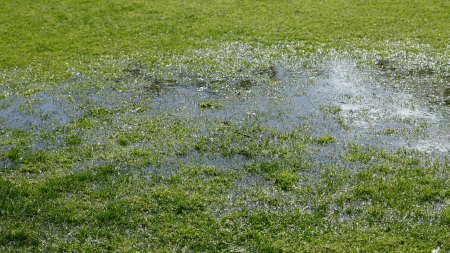
When the ground becomes saturated with water, the moisture in the soil presses against your foundation walls. The more water that builds up, and the deeper the soil, the higher that pressure becomes.
Key points:
- As soil gets wetter, pressure on your basement walls increases
- Deeper sections of the wall feel more pressure than shallow ones
- Concrete and block walls are strong, but not designed to flex very much
Over time, this constant sideways push can cause your foundation walls to crack and bow inward, eventually affecting the structure of your home.

How Hydrostatic Pressure Builds Around Your Home
Hydrostatic pressure is usually the result of several things working together.
1. Saturated Soil Around the Foundation
Northern Virginia has plenty of clay-rich soils, which hold water like a sponge. After periods of heavy rain, snowmelt, or long wet seasons, the soil around your foundation can become fully saturated.
When that happens:
- Pores in the soil fill with water
- The soil swells and becomes heavier
- That added weight and expansion push directly on your foundation walls
2. Poor Surface Drainage
If water is not directed away from your home, it tends to collect right where you do not want it: along the foundation.
Common drainage problems include:
- Gutters that overflow or are clogged
- Downspouts that dump water at the base of the wall
- Yards that slope toward the house instead of away
- Concrete patios, walkways, or driveways that pitch water toward the foundation
The more water that lingers near your home, the more hydrostatic pressure builds up in the surrounding soil.
3. Seasonal Weather Patterns
In the Alexandria area, weather swings add to the problem:
- Heavy storms can quickly saturate the ground
- Extended rainy periods keep soil wet for weeks
- Freeze–thaw cycles can cause soil to expand and contract
All this movement and moisture around the foundation adds stress that your walls have to resist.
What Hydrostatic Pressure Does to Foundation Walls
Concrete and masonry are strong in compression, but they do not like to bend. When hydrostatic pressure builds up against a wall from the outside, the wall can start to:
- Crack
- Bow inward at the middle
- Slide inward along the bottom
- Lean inward near the top
These are not just cosmetic issues. They are signs that the wall is under load and losing its original alignment.
Early Warning Signs
At first, you may see:
- Damp areas or discoloration on the basement walls
- Efflorescence (white, chalky mineral deposits)
- Small vertical or diagonal cracks
- Water seepage at the joint where the wall meets the floor
These indicate that water is present and starting to find weak points.
More Serious Signs: Bowed and Cracked Walls
As pressure continues and the wall weakens, more serious symptoms show up:
- Horizontal cracks along the middle of the wall
- Stair-step cracks in block walls following mortar joints
- Walls that visibly bulge or bow inward when viewed from inside
- Gaps opening at the top or corners of the wall
Horizontal cracking and bowing are major red flags that hydrostatic pressure and soil movement are actively pushing your wall inward.
Why Hydrostatic Pressure Is a Big Problem in Northern Virginia
Homes around Alexandria, Arlington, and Fairfax are especially vulnerable because of:
Clay soils that swell when wet and shrink when dry
Heavy thunderstorms and strong seasonal rains
Mature neighborhoods where grading and drainage may have changed over time
Older foundations that may not have modern drainage or waterproofing systems
That combination often leads to foundation walls that are dealing with both water pressure and soil expansion at the same time.
How DESKA Addresses Hydrostatic Pressure and Bowed Walls
You cannot stop it from raining, and you cannot remove all the moisture from the soil. The goal is to control water and reinforce the structure so your foundation can safely handle the pressure.
DESKA focuses on two main strategies:
- Reduce the amount of water loading the soil around your home
- Stabilize and brace walls that have already started to move
Step 1: Improving Drainage and Managing Water
Depending on your home and yard, DESKA may recommend:
- Making sure gutters and downspouts are sized correctly and working properly
- Extending downspouts and adding drainage lines to move water away from the foundation
- Evaluating and adjusting the grading so the yard slopes away from your house
- Coordinating with interior or exterior waterproofing systems to relieve water around the base of the wall
By reducing how much water sits against your foundation, we help lower the hydrostatic pressure those walls must resist.
Step 2: Wall Bracing and Reinforcement
If your foundation walls are already bowing, cracking, or leaning inward, simply patching cracks will not fix the problem. The wall needs structural reinforcement.
DESKA offers engineer-backed solutions designed for bowing and inward-moving walls, including:
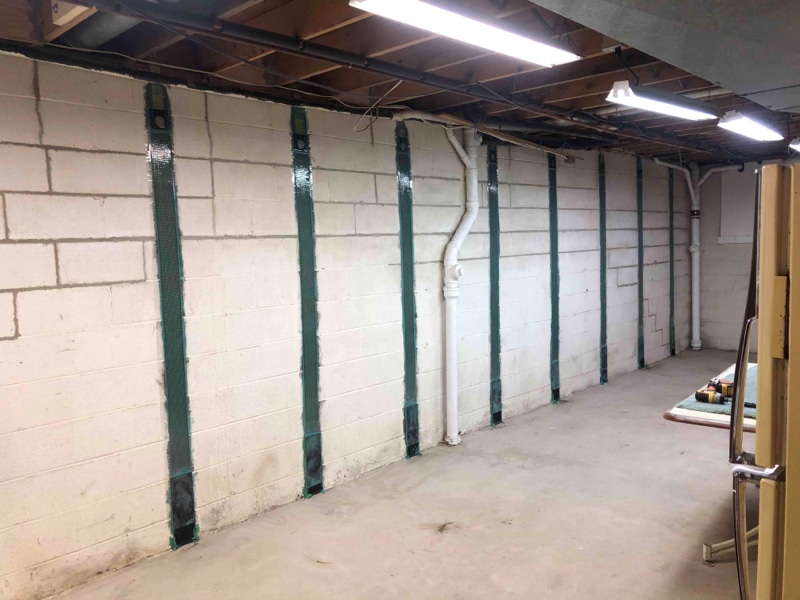
- Steel beam systems that brace the wall from inside and transfer loads to the basement floor and framing above
- Wall anchoring systems (where appropriate) that use rods and exterior anchor points to pull and hold the wall in a more stable position over time
- Other reinforcement options tailored to block or poured concrete walls and site conditions
The best approach depends on:
- How far the wall has moved
- Whether movement is ongoing
- Wall type and thickness
- Accessibility on the exterior
Our team performs a detailed inspection and designs a repair plan specific to your home.
Why You Should Not Wait to Address Bowed or Cracked Walls
Hydrostatic pressure and wall movement rarely “fix themselves.” Left alone, they typically get worse, especially during wet seasons.
Waiting can lead to:
- Increased wall movement and more severe bowing
- Larger, more expensive repairs down the road
- Ongoing water intrusion, mold, and indoor air quality issues
- Potential impact on your home’s value and safety
Catching foundation wall problems early usually means more straightforward repairs and better long-term results.
Worried About Hydrostatic Pressure on Your Foundation Walls?
If you are seeing:
- Horizontal or stair-step cracks
- Walls that bow or lean inward
- Water seeping through cracks or at the wall-floor joint
- Musty odors and dampness after rain
It is time to have a professional look at your foundation.
DESKA specializes in bowed wall repair, foundation stabilization, and waterproofing solutions for Northern Virginia homes. We understand local soil conditions, weather patterns, and the way hydrostatic pressure affects basements in this region.
Contact DESKA today to schedule a foundation evaluation and learn how we can relieve hydrostatic pressure, stabilize bowing walls, and keep your home safe and secure.